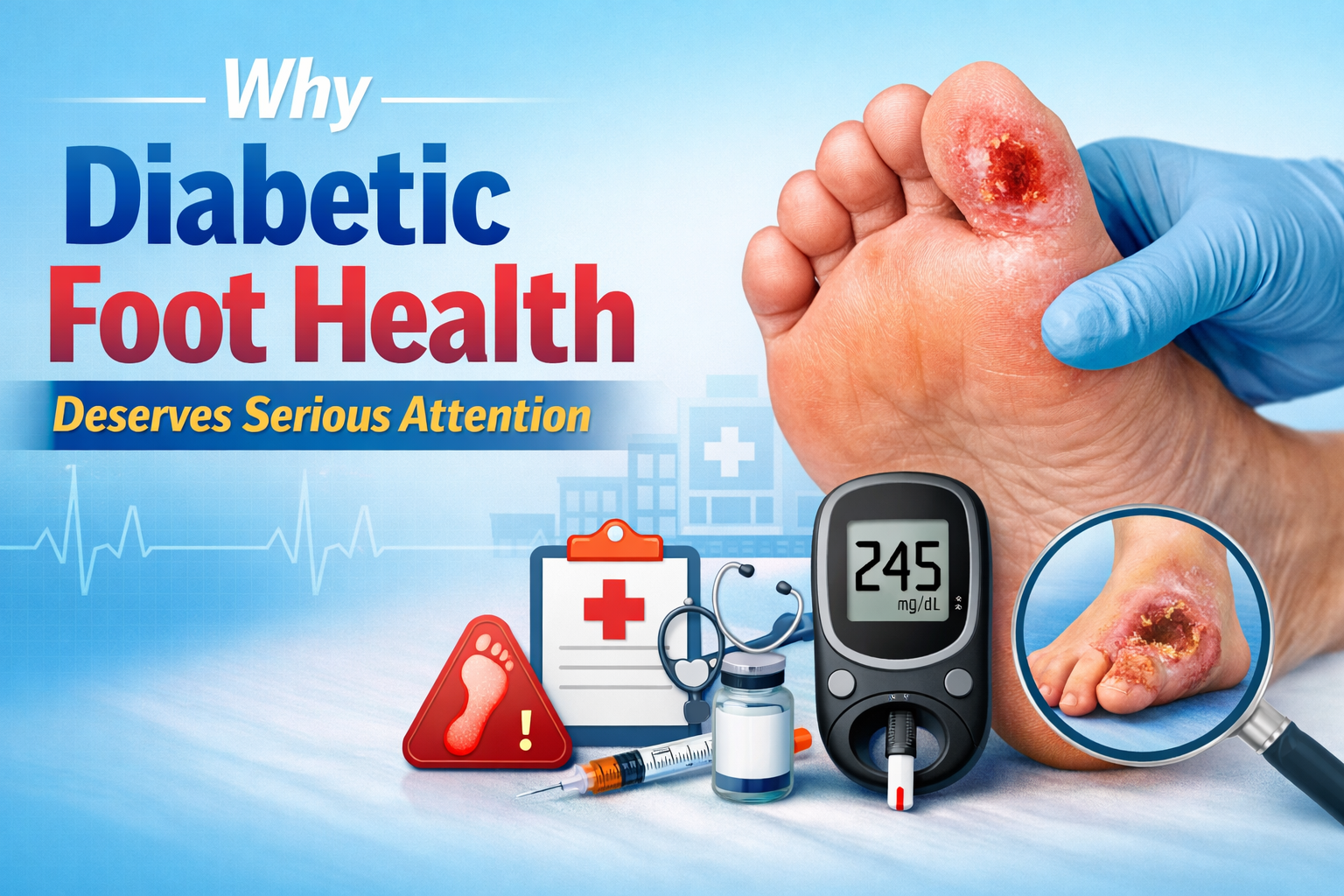
Introduction: Why Diabetic Foot Care Deserves Your Full Attention
Diabetes is a complex, life-altering condition that affects millions of people worldwide. While most people are aware of its impact on blood sugar levels, heart health, and kidney function, one area that often gets overlooked — until it’s too late — is foot health. Diabetic foot complications are among the most serious and potentially devastating consequences of poorly managed diabetes, yet they are also among the most preventable.
Every 30 seconds, somewhere in the world, a lower limb is lost due to diabetes-related complications. That staggering statistic alone highlights why diabetic foot care should be a top priority for anyone living with this condition. From minor blisters that refuse to heal to severe infections that threaten limb loss, diabetic foot problems can escalate quickly and silently.
In this comprehensive guide, we’ll walk you through everything you need to know about diabetic foot care — including the underlying causes, warning signs and symptoms to watch for, practical prevention strategies you can start today, and the full range of treatment options available when complications arise. Whether you’ve just been diagnosed with diabetes or have been managing it for years, this article will equip you with the knowledge to protect your feet and your quality of life.
Understanding Diabetic Foot Complications: The Basics
Before diving into specific causes and symptoms, it’s important to understand why diabetes makes the feet so vulnerable in the first place. The feet are literally the foundation of your body — they bear your weight, enable movement, and are subject to constant pressure and friction throughout the day. Under normal circumstances, the body handles minor foot injuries with ease. But in people with diabetes, this process is significantly compromised.
Diabetic foot complications generally arise from two primary mechanisms: diabetic neuropathy (nerve damage) and peripheral artery disease (poor circulation). These two conditions often occur simultaneously in people with diabetes, creating a dangerous combination that dramatically increases the risk of foot ulcers, infections, and in severe cases, amputations.
Understanding how these mechanisms work is the first step toward appreciating why consistent, proactive foot care is so critically important for people with diabetes.
Causes of Diabetic Foot Problems
1. Diabetic Neuropathy: When You Can’t Feel the Damage
Diabetic peripheral neuropathy is one of the most common complications of diabetes, affecting up to 50% of people with the condition over their lifetime. High blood sugar levels, over time, damage the small blood vessels that supply the nerves, particularly in the feet and legs. This nerve damage disrupts the normal transmission of signals, leading to a loss of sensation, pain perception, and temperature awareness.
The cruel irony of neuropathy is that it removes the body’s natural warning system. Normally, pain tells us when something is wrong — a pebble in your shoe, a blister forming, a cut on your heel. When neuropathy is present, these warning signals are absent. A person might walk for hours with a nail pressing into their foot and never feel it. A small wound can go unnoticed for days, allowing bacteria to take hold and infection to set in.
There are several types of neuropathy that affect diabetic feet:
- Sensory neuropathy: Loss of sensation, including the ability to feel pain, temperature changes, pressure, and vibration.
- Motor neuropathy: Damage to the nerves that control muscle movement, leading to muscle weakness and imbalances that alter the way a person walks and distributes weight on their feet.
- Autonomic neuropathy: Damage to the nerves that control automatic functions like sweating, leading to dry, cracked skin on the feet that becomes vulnerable to infection.
2. Peripheral Artery Disease (PAD): When Blood Can’t Reach Your Feet
Peripheral artery disease occurs when atherosclerosis — the buildup of fatty plaques in the arteries — narrows and hardens the blood vessels that supply blood to the legs and feet. People with diabetes are at significantly higher risk for PAD, and they tend to develop it earlier and more severely than people without diabetes.
When blood flow to the feet is reduced, the consequences are serious. Oxygen and nutrients are less available to tissues, making the skin and underlying structures more fragile. More critically, when an injury or wound does occur, the healing process is severely impaired. Immune cells and growth factors that normally rush to the site of a wound to begin repair cannot reach their destination efficiently. Wounds that would heal in days for a healthy person may take weeks, months, or never fully heal in someone with advanced PAD.
PAD also makes infections harder to fight. Without adequate blood flow delivering immune cells and antibiotics to the site of infection, bacteria can thrive and spread more easily.
3. High Blood Sugar: The Root Cause
Chronic high blood glucose (hyperglycemia) is ultimately the driving force behind most diabetic foot complications. Elevated blood sugar damages blood vessels and nerves, impairs immune function, and creates an environment where bacteria and fungi can thrive. It also affects the body’s ability to produce collagen, a key protein needed for wound healing.
People with consistently poorly controlled blood sugar are at significantly higher risk of developing neuropathy, PAD, and foot ulcers than those who maintain their glucose levels within target ranges. This underscores why overall diabetes management — not just foot-specific care — is essential for preventing foot complications.
4. Structural Foot Deformities
Motor neuropathy can cause muscle imbalances that lead to structural changes in the foot over time. Common deformities associated with diabetes include:
- Hammer toes: Toes that curl downward due to muscle imbalances, creating pressure points that are prone to ulceration.
- Bunions: Bony bumps at the base of the big toe that can rub against shoes and cause sores.
- Charcot foot (Charcot arthropathy): A serious condition in which the bones in the foot weaken and fracture due to neuropathy, causing the foot to collapse and deform. Charcot foot can dramatically alter weight distribution and increase the risk of pressure ulcers.
- Flat feet and high arches: Both can cause abnormal pressure distribution that increases the risk of calluses and ulcers.
5. Immune System Impairment
High blood sugar impairs the function of white blood cells, the immune system’s primary defenders against infection. This means that even minor skin breaks in people with diabetes can become portals for serious infections. Bacteria that would be quickly neutralized in a healthy immune system can spread rapidly in a diabetic foot, potentially reaching the bone (a condition called osteomyelitis) and causing life-threatening systemic infections.
Symptoms of Diabetic Foot Complications
Recognizing the early warning signs of diabetic foot problems is crucial for preventing them from escalating into serious complications. Unfortunately, because neuropathy can mask pain, some symptoms are subtle or absent. This is why regular visual inspection of the feet is so important for people with diabetes.
Early Warning Signs
- Tingling or burning sensations: Many people with early neuropathy describe feelings of tingling, burning, or “pins and needles,” particularly at night. While this may seem minor, it indicates nerve damage is occurring.
- Numbness: A gradual loss of feeling in the feet or toes, making it harder to detect injuries or changes in temperature.
- Changes in skin color or temperature: Redness, warmth, or unusual coolness in the feet can indicate poor circulation or inflammation.
- Dry, cracked skin: Autonomic neuropathy reduces sweating, leading to excessively dry skin that can crack and provide an entry point for infection.
- Calluses and corns: Excessive callus formation, particularly in pressure areas, can be a warning sign of abnormal weight distribution and a precursor to ulceration.
- Swelling: Persistent swelling in the feet or ankles can indicate poor circulation, infection, or Charcot foot.
Signs of Active Foot Ulcers
Foot ulcers are open sores that occur most commonly on the bottom of the foot or on the tips and tops of the toes. They are a hallmark complication of diabetic foot disease and require prompt medical attention.
- Open wounds or sores: Any break in the skin that doesn’t heal within a reasonable timeframe should be taken seriously.
- Drainage or discharge: Fluid leaking from a wound, particularly if it is cloudy, yellow, or green, indicates infection.
- Foul odor: An unpleasant smell coming from a foot wound is a strong indicator of bacterial infection or, in severe cases, tissue death (necrosis).
- Wound depth: Some ulcers may appear superficial but extend deep into underlying tissue, reaching tendons or bone.
Signs of Serious Infection or Gangrene
When diabetic foot infections are not treated promptly, they can become life-threatening emergencies. Signs that an infection has become serious include:
- Fever and chills: Signs that infection has spread systemically.
- Red streaks spreading from the wound: Indicating that infection is spreading through the lymphatic system (cellulitis).
- Black or dark-colored tissue: Gangrene, or tissue death, is a medical emergency that may require amputation to prevent the spread of infection.
- Severe pain or, conversely, complete absence of pain: Both can be signs of serious tissue compromise.
- Pus or abscess formation: Localized pockets of infection that require immediate drainage and treatment.
Symptoms of Charcot Foot
Charcot foot is often misdiagnosed because it can mimic other conditions. Key symptoms include:
- Sudden onset of warmth, redness, and swelling in one foot, often without a clear cause
- The affected foot feeling significantly warmer than the other foot
- Gradual change in foot shape as bones fracture and collapse
- Development of a “rocker bottom” foot deformity in advanced cases
Prevention Tips: Protecting Your Feet Every Day
The good news about diabetic foot complications is that the vast majority of them are preventable with consistent, diligent foot care. Studies suggest that up to 85% of diabetes-related amputations are preventable with proper care. Here are the most effective prevention strategies:
1. Inspect Your Feet Daily
Make it a habit to examine your feet thoroughly every single day — ideally at the same time, such as before bed. Look at all surfaces of both feet, including between the toes and on the heels. Use a mirror or ask a family member for help if you have difficulty seeing the bottom of your feet. Look for:
- Cuts, blisters, or sores
- Redness, swelling, or warmth
- Changes in skin color
- Ingrown toenails
- Cracks, particularly on the heels
- Any changes compared to the previous day
2. Wash and Dry Your Feet Carefully
Wash your feet daily with mild soap and lukewarm water. Never use hot water, as neuropathy may prevent you from accurately judging temperature, and hot water can scald the feet. Dry your feet thoroughly after washing, paying particular attention to the areas between the toes, where moisture can accumulate and create conditions favorable for fungal infections like athlete’s foot.
After drying, apply a good-quality moisturizing lotion to the tops and bottoms of your feet to prevent dry, cracked skin. However, avoid applying lotion between the toes, as this can promote fungal growth.
3. Manage Your Blood Sugar Diligently
This cannot be overstated: keeping your blood glucose levels within your target range is the single most powerful thing you can do to prevent diabetic foot complications. Consistently high blood sugar accelerates nerve damage, impairs circulation, compromises immune function, and slows wound healing — all of which contribute directly to foot complications. Work closely with your healthcare team to optimize your diabetes management through medication, diet, exercise, and regular monitoring.
4. Wear Proper Footwear
Wearing the right shoes is one of the most important and often underestimated aspects of diabetic foot care. Ill-fitting footwear is a leading cause of foot injuries in people with diabetes. Follow these guidelines:
- Choose well-fitting shoes with a wide toe box that doesn’t squeeze or pinch the toes. Shoes should fit snugly but not tightly.
- Avoid pointed toes or high heels, which can create abnormal pressure points.
- Look for shoes with cushioned insoles to reduce pressure on the soles of the feet.
- Consider therapeutic or diabetic shoes, which are specially designed to reduce pressure and accommodate foot deformities. These may be covered by insurance with a doctor’s prescription.
- Always wear socks with your shoes to reduce friction and prevent blisters. Choose seamless, moisture-wicking diabetic socks.
- Inspect your shoes before putting them on every time — shake them out and feel inside for pebbles, seams, or foreign objects that could cause injury.
- Never walk barefoot, even indoors. Slippers or house shoes should always be worn to protect against cuts and puncture wounds.
5. Trim Toenails Carefully
Trim your toenails straight across and file any sharp edges with an emery board. Avoid cutting nails too short or rounding the corners, as this can lead to ingrown toenails. If you have difficulty seeing or reaching your feet, or if your nails are thick and hard to trim, have a podiatrist do it for you. Never attempt “bathroom surgery” on ingrown toenails or calluses.
6. Avoid Smoking
Smoking dramatically worsens peripheral artery disease by constricting blood vessels and accelerating atherosclerosis. People with diabetes who smoke have a significantly higher risk of foot ulcers, poor wound healing, and amputation than non-smoking diabetics. Quitting smoking is one of the most impactful steps you can take to protect your feet and your overall health.
7. Stay Active — Wisely
Regular physical activity improves circulation, helps control blood sugar, maintains healthy weight, and reduces the risk of PAD. Walking, swimming, cycling, and other low-impact exercises are generally excellent choices. However, if you already have foot ulcers or significant neuropathy, consult your healthcare provider before starting or changing your exercise routine, as certain activities may need to be modified to avoid putting excessive pressure on vulnerable areas of the foot.
8. Schedule Regular Professional Foot Exams
Even if your feet feel fine, regular professional foot examinations are essential. The American Diabetes Association recommends that people with diabetes have a comprehensive foot exam at least once a year, and more frequently if they have risk factors for complications. During this exam, a healthcare provider or podiatrist will:
- Assess sensation using a monofilament test and tuning fork
- Check foot pulses to evaluate circulation
- Examine the skin for calluses, cracks, and sores
- Evaluate foot structure and gait
-
Categories: