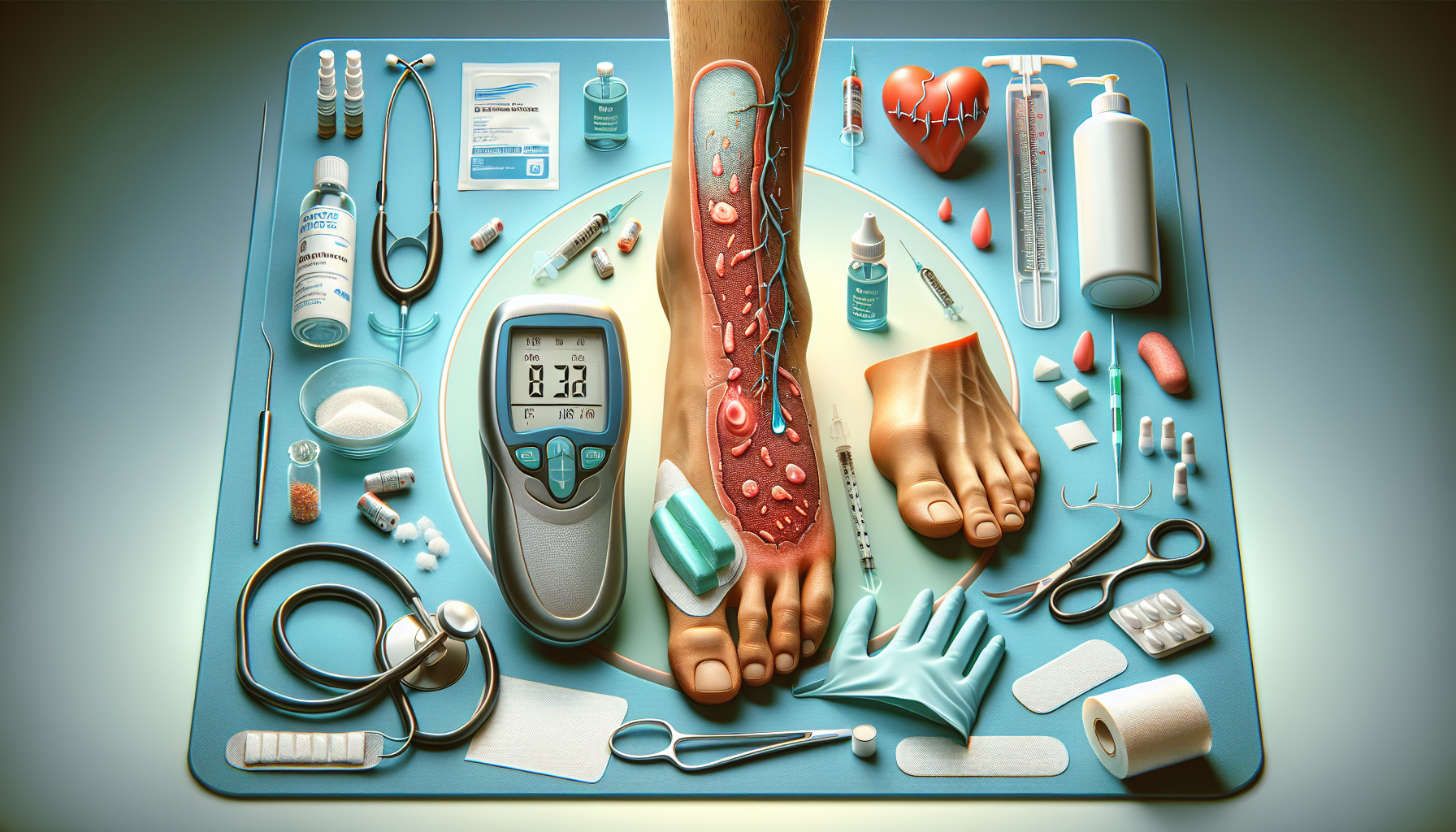
Introduction: Why Your Feet Are a Window Into Your Blood Sugar Health
Most people think of blood sugar management as something that primarily affects energy levels, weight, or heart health. But there’s a critical connection that often goes overlooked — the profound relationship between blood sugar control and the health of your feet. Your feet, those hardworking appendages that carry you through every step of your life, are among the first parts of your body to suffer the consequences of poorly managed blood sugar levels.
Whether you have been diagnosed with diabetes, prediabetes, or simply have fluctuating glucose levels, understanding how blood sugar impacts your foot health could literally save your limbs — and in some cases, your life. Complications related to poor blood sugar control are responsible for more than 100,000 lower-limb amputations in the United States every year, making this one of the most serious yet preventable consequences of unmanaged glucose levels.
In this comprehensive guide, we’ll explore exactly how blood sugar affects your feet, the warning signs you should never ignore, and the proactive steps you can take to protect your foot health for years to come.
How High Blood Sugar Damages the Body’s Foundation
To understand the connection between blood sugar and foot health, we first need to understand what elevated glucose levels actually do to the body at a cellular and systemic level.
The Glycation Process and Tissue Damage
When blood sugar remains consistently elevated, a process called glycation occurs — where glucose molecules bind to proteins and fats throughout the body. This process creates harmful compounds known as Advanced Glycation End-products (AGEs). These AGEs stiffen tissues, impair cellular function, and trigger widespread inflammation. Over time, this damage is particularly devastating to the tiny blood vessels and delicate nerves that supply your feet and lower legs.
Vascular Damage: The Root of Poor Circulation
Sustained high blood sugar gradually damages the walls of blood vessels — both large arteries and the tiny capillaries that deliver oxygen and nutrients to peripheral tissues. In the feet, this results in peripheral arterial disease (PAD), a condition where blood flow to the lower extremities is significantly reduced. When your feet don’t receive adequate circulation, even minor injuries struggle to heal, and tissues can begin to die.
Nerve Damage: When Your Feet Go Silent
Equally dangerous is the effect that high blood sugar has on the nervous system. Elevated glucose levels damage the myelin sheath — the protective coating around nerve fibers — disrupting the signals they send and receive. This leads to diabetic peripheral neuropathy, which can manifest as tingling, burning, numbness, or complete loss of sensation in the feet. When you can no longer feel pain in your feet, you lose your body’s natural warning system against injury.
Diabetic Peripheral Neuropathy: The Silent Threat
Diabetic peripheral neuropathy is one of the most common and most dangerous complications of chronic high blood sugar. It’s estimated that up to 50% of people with diabetes will develop some form of neuropathy during their lifetime, and the feet are almost always among the first areas affected.
Types of Neuropathy That Affect the Feet
Not all neuropathy presents the same way. Understanding the different types can help you recognize symptoms early:
- Sensory Neuropathy: The most common type, resulting in reduced or absent sensation. People with sensory neuropathy may step on a nail, develop a blister, or sustain a burn without realizing it.
- Motor Neuropathy: Affects the muscles of the foot, leading to weakness, changes in foot shape, and altered gait. Conditions like hammertoes or Charcot foot often develop as a result.
- Autonomic Neuropathy: Disrupts the sweat glands of the feet, causing severely dry, cracked skin that becomes vulnerable to infection.
Why Neuropathy Is So Dangerous
The danger of neuropathy lies in its subtlety. Because sensation is reduced or absent, people can walk around for days — or even weeks — with a wound, ulcer, or infection on their foot without feeling any pain. By the time the problem is visible or detected, it may have already progressed to a serious infection that is difficult to treat. In severe cases, the infection can penetrate to the bone, a condition known as osteomyelitis, which often requires surgical intervention or amputation.
Diabetic Foot Ulcers: A Serious Complication
Diabetic foot ulcers are open sores or wounds that develop most commonly on the bottom of the foot. They affect approximately 15% of people with diabetes at some point in their lives and are the leading cause of hospitalization among this population.
How Ulcers Develop
The development of a diabetic foot ulcer is typically a cascade of events set into motion by poor blood sugar control:
- Neuropathy removes the ability to feel pressure, friction, or injury.
- Poorly fitting shoes, a small pebble, or even a wrinkle in a sock causes repeated trauma to the skin.
- The skin breaks down, creating an open wound.
- Reduced circulation slows or prevents healing.
- Elevated blood sugar impairs immune function, making the wound vulnerable to infection.
- Bacteria enter the wound and infection sets in, potentially spreading to deeper tissues.
The Healing Problem
Under normal circumstances, the body is remarkably efficient at healing wounds. But in people with chronic high blood sugar, this process is severely compromised. High glucose levels impair the function of white blood cells, reducing the body’s ability to fight infection. Collagen production — essential for wound repair — is also disrupted. Additionally, poor circulation means that oxygen, nutrients, and healing factors cannot reach the wound site effectively. The result is a wound that refuses to heal and becomes increasingly prone to infection.
Charcot Foot: A Devastating Structural Complication
One of the most severe foot complications associated with diabetes and poor blood sugar control is Charcot foot (also known as Charcot neuropathic osteoarthropathy). This condition involves the progressive weakening and collapse of the bones, joints, and soft tissues in the foot.
How Charcot Foot Develops
Because neuropathy eliminates pain sensation, people with damaged nerves continue to walk on feet that have sustained stress fractures or joint injuries without realizing it. The repeated trauma, combined with the increased blood flow that accompanies neuropathy, leads to bone destruction and joint dislocation. The foot can collapse into a severe deformity — often described as a “rocker bottom” foot — that is not only debilitating but also creates new pressure points prone to ulceration.
Recognizing the Early Signs of Charcot Foot
Early detection is critical because intervention can prevent irreversible deformity. Warning signs include:
- Sudden redness, warmth, and swelling of the foot without an obvious injury
- A foot that feels significantly warmer than the other foot
- Changes in foot shape or the development of new prominences
- Pain or discomfort, though this may be absent in those with severe neuropathy
Poor Circulation and Peripheral Arterial Disease
Beyond nerve damage, poor blood sugar control significantly impacts blood flow to the feet through peripheral arterial disease (PAD). People with diabetes are two to four times more likely to develop PAD than those without the condition, and the disease tends to progress more rapidly and affect smaller vessels more severely.
Signs of Poor Circulation in the Feet
Reduced blood flow to the feet manifests in several recognizable ways:
- Coldness: Feet that feel consistently cold even in warm environments
- Color changes: Pallor, cyanosis (bluish tint), or redness that worsens when the leg is lowered
- Claudication: Cramping pain in the calves, thighs, or buttocks during walking that is relieved by rest
- Hair loss: Loss of hair on the legs and feet due to inadequate circulation
- Thickened toenails: Poor blood supply can cause toenails to become thick, brittle, and discolored
- Slow wound healing: Cuts or abrasions that take unusually long to heal
The Combined Threat of PAD and Neuropathy
When PAD and neuropathy coexist — which they frequently do in people with long-standing high blood sugar — the risk of serious foot complications skyrockets. The loss of sensation means injuries go unnoticed, while the lack of circulation prevents healing. This dangerous combination is responsible for the majority of diabetes-related amputations.
Common Foot Problems Worsened by Blood Sugar Issues
Beyond the major complications, everyday foot problems become significantly more serious and harder to treat in the context of poor blood sugar control.
Fungal Infections
High blood sugar creates an ideal environment for fungal organisms to thrive. Conditions like athlete’s foot (tinea pedis) and fungal nail infections (onychomycosis) are more common, more persistent, and more difficult to treat in people with elevated glucose levels. If left untreated, these infections can create entry points for bacteria and lead to more serious complications.
Calluses and Corns
Calluses and corns develop in response to pressure and friction. In people with neuropathy, they form without producing pain — meaning they can grow quite thick before being noticed. Thick calluses can crack open and become entry points for infection, while the pressure they create on underlying tissue can lead to ulcer formation.
Ingrown Toenails
An ingrown toenail that would cause minimal discomfort in a healthy individual can become a life-threatening infection in someone with diabetes and poor circulation. The combination of impaired immunity and poor blood flow means that what starts as a minor nail problem can rapidly escalate to a serious soft tissue infection.
Blisters and Skin Breakdown
Blisters from poorly fitting shoes or excessive activity are a significant concern for people with compromised foot sensation. Without feeling them, blisters are often left untreated, rupture, and become infected in an environment where healing is already impaired.
The Role of Blood Sugar Control in Prevention
The single most powerful thing you can do to protect your foot health is to achieve and maintain good blood sugar control. The evidence supporting this is overwhelming and consistent across decades of research.
The Evidence for Glycemic Control
The landmark Diabetes Control and Complications Trial (DCCT) demonstrated that intensive blood sugar control reduced the risk of nerve damage by 60% in people with type 1 diabetes. Similar findings emerged from the UK Prospective Diabetes Study (UKPDS) for type 2 diabetes. Maintaining blood sugar levels as close to the normal range as safely possible — with an HbA1c generally below 7% for most adults with diabetes — dramatically reduces the risk of developing neuropathy, vascular disease, and their devastating foot complications.
What Good Blood Sugar Control Involves
Achieving optimal glycemic control is a multifaceted effort that typically includes:
- Nutrition: A balanced, low-glycemic diet rich in vegetables, lean proteins, healthy fats, and fiber, with controlled portions of complex carbohydrates
- Physical activity: Regular exercise improves insulin sensitivity, promotes circulation, and helps lower blood sugar levels
- Medication management: For many people, oral medications or insulin therapy are necessary components of blood sugar management
- Monitoring: Regular blood glucose monitoring helps identify patterns and allows for timely adjustments to diet, activity, or medication
- Stress management: Chronic stress elevates cortisol, which raises blood sugar levels; mindfulness, yoga, and other stress-reduction techniques can support better glycemic control
- Adequate sleep: Poor sleep disrupts insulin sensitivity and glucose regulation; aiming for 7-9 hours of quality sleep per night is important
Practical Foot Care Strategies for People Concerned About Blood Sugar
Beyond blood sugar management, a dedicated foot care routine is essential for preventing serious complications. These strategies apply to anyone managing diabetes, prediabetes, or elevated blood sugar levels.
Daily Foot Inspection
Make it a daily habit to thoroughly inspect your feet — including the soles, between the toes, and around the heels. Use a mirror or ask a family member for help if needed. Look for:
- Cuts, scrapes, or puncture wounds
- Blisters or areas of skin breakdown
- Redness, swelling, or warmth
- Changes in skin color
- Cracked or peeling skin
- Thickened or discolored toenails
Proper Foot Hygiene
Wash your feet daily with warm (not hot) water and mild soap. Check the water temperature with your elbow or a thermometer before submerging your feet, especially if you have reduced sensation. Dry your feet thoroughly, paying particular attention to the spaces between your toes, as moisture in these areas promotes fungal growth. Apply a moisturizing lotion to the top and bottom of your feet, but avoid applying it between the toes.
Toenail Care
Trim your toenails straight across rather than in a curved shape, and file any sharp edges. Never cut the corners of your nails too deeply, as this can encourage ingrown nails. If your nails are thick or difficult to trim, seek assistance from a podiatrist rather than risking injury.
Footwear Choices
Wearing the right footwear is critically important. Choose shoes that:
- Fit properly with adequate room in the toe box
- Provide good arch support and cushioning
- Are made from breathable materials
- Have no rough interior seams that could cause friction
Always wear socks with your shoes — preferably moisture-wicking, seamless socks. Never walk barefoot, even indoors, as even a small injury on an insensate foot can lead to serious complications.
Temperature Precautions
Because neuropathy affects temperature sensation along with pain sensation, take special precautions with heat and cold. Never use hot water bottles, heating pads, or electric blankets directly on your feet. Avoid walking on hot pavement or sand with bare feet. In cold weather, wear warm socks and boots to prevent frostbite.
Regular Professional Foot Examinations
People with diabetes or blood sugar concerns should have a comprehensive foot examination by a healthcare provider at least once a year — and more frequently if they have any existing foot problems or risk factors. A thorough exam includes:
- Assessment of sensation using a monofilament test
- Evaluation of pulses to assess circulation
- Inspection for structural abnormalities, calluses, or skin changes
- Review of footwear