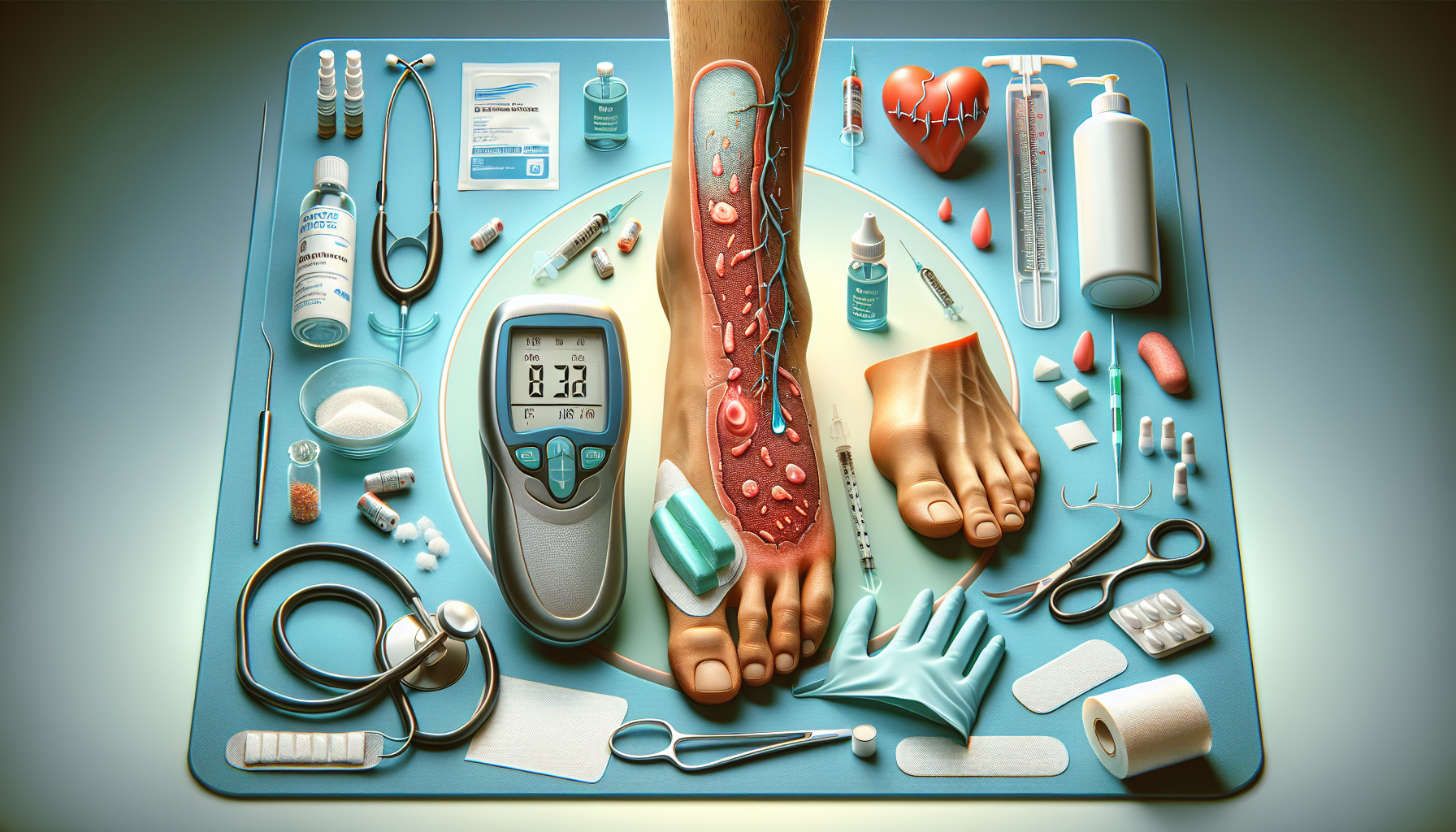
Introduction: Your Feet Are Telling You Something Important
Most people don’t think twice about their feet until something goes wrong. But if you’re living with diabetes or struggling with blood sugar imbalances, your feet deserve far more attention than they typically receive. The connection between blood sugar control and foot health is one of the most critical — and most overlooked — relationships in the human body.
Every year, millions of people suffer from serious foot complications directly tied to poor blood sugar management. From tingling sensations and numbness to non-healing wounds and, in severe cases, amputation, the consequences of ignoring this connection can be life-altering. The good news? When you understand how blood sugar affects your feet and take proactive steps, you can protect yourself from the worst outcomes and maintain a healthy, active lifestyle.
In this comprehensive guide, we’ll explore the science behind blood sugar and foot health, the warning signs you should never ignore, and the practical strategies that can make all the difference.
How Blood Sugar Affects Your Body’s Foundation
To understand why blood sugar levels have such a profound impact on foot health, it helps to understand what high blood sugar — known medically as hyperglycemia — actually does to the body over time.
When blood glucose levels remain chronically elevated, a cascade of damaging effects begins to unfold throughout the entire body. Sugar molecules in the bloodstream begin to attach to proteins and fats in a process called glycation, damaging tissues and impairing normal cellular function. Two systems that suffer the most from this process are the nervous system and the circulatory system — both of which are absolutely essential for healthy feet.
The Nervous System: Diabetic Neuropathy
One of the most common and serious consequences of chronic high blood sugar is diabetic peripheral neuropathy — damage to the nerves that serve the limbs, particularly the feet and legs. According to the American Diabetes Association, up to 50% of people with diabetes will develop some form of neuropathy during their lifetime.
The nerves in your feet perform several critical functions:
- Sensory function: Feeling temperature, pain, pressure, and texture
- Motor function: Controlling the small muscles in the feet that maintain balance and proper gait
- Autonomic function: Regulating sweat and oil production that keeps skin supple and healthy
When high blood sugar damages these nerves, the results can be devastating. Loss of protective sensation means you may not feel a blister, cut, or foreign object embedded in your foot. Loss of motor nerve function can cause muscle imbalances that lead to deformities like hammertoes and Charcot foot. Damage to autonomic nerves can lead to excessively dry, cracked skin that becomes an entry point for dangerous infections.
The Circulatory System: Peripheral Arterial Disease
Blood sugar doesn’t just damage nerves — it also wreaks havoc on blood vessels. High glucose levels promote inflammation, oxidative stress, and the buildup of plaque inside arterial walls, a condition known as atherosclerosis. When this occurs in the vessels supplying the legs and feet, it results in peripheral arterial disease (PAD).
Poor circulation to the feet means:
- Reduced delivery of oxygen and nutrients to tissues
- Impaired immune response, making infections harder to fight
- Dramatically slower wound healing
- Increased risk of tissue death (gangrene)
The combination of neuropathy and poor circulation creates what many diabetes specialists call a “perfect storm” for foot complications. A small wound that a healthy person would heal in a few days can become a chronic, infected ulcer in someone with uncontrolled blood sugar.
Common Foot Complications Linked to Poor Blood Sugar Control
Understanding the specific foot problems associated with blood sugar dysregulation can help you recognize warning signs early and seek appropriate care before minor issues escalate into major ones.
Diabetic Foot Ulcers
Diabetic foot ulcers are open sores or wounds that most commonly occur on the bottom of the foot. They affect approximately 15% of people with diabetes and are the leading cause of non-traumatic lower limb amputations worldwide. These ulcers develop because of a combination of factors: reduced sensation allows unnoticed trauma to occur, while poor circulation prevents the wound from healing properly.
Once a ulcer becomes infected and infection spreads to the bone (a condition called osteomyelitis), amputation may be the only remaining option. This underscores just how critically important it is to prevent ulcers from forming in the first place through diligent blood sugar management and daily foot inspection.
Charcot Foot
Charcot neuroarthropathy, commonly called Charcot foot, is a serious and potentially crippling condition where the bones in the foot become weakened and fracture due to neuropathy. Because the person can’t feel pain normally, they continue walking on fractured bones, causing further damage and leading to severe deformity.
The foot can take on a characteristic “rocker bottom” shape that makes walking extremely difficult and increases pressure points where ulcers are likely to form. Early recognition and immobilization are critical for preventing permanent deformity.
Fungal and Bacterial Infections
High blood sugar creates an environment where bacteria and fungi thrive. The skin between the toes and beneath the toenails is particularly vulnerable. Common infections include:
- Athlete’s foot (tinea pedis): A fungal infection causing itching, scaling, and cracking between the toes
- Onychomycosis: Fungal infection of the toenails, causing thickening, discoloration, and brittleness
- Cellulitis: A bacterial skin infection that can spread rapidly in immunocompromised individuals with diabetes
- Infected ingrown toenails: Can become deeply infected and spread to underlying bone
These infections, which would be relatively minor nuisances for someone with normal blood sugar, can quickly become life-threatening in someone with poorly controlled diabetes.
Calluses and Corns
Calluses form more rapidly in people with diabetes and can be particularly dangerous. While calluses are the body’s protective response to friction and pressure, they can become so thick that they break down the underlying tissue and lead to ulcer formation. The loss of sensation from neuropathy means the individual may have no idea how severe the damage beneath a callus has become.
Dry and Cracked Skin
Autonomic neuropathy reduces sweat production, resulting in abnormally dry skin on the feet. Without adequate moisture, skin becomes brittle and cracks, especially around the heels. These fissures can be quite deep and serve as entry points for bacteria, potentially leading to serious infections.
Recognizing the Warning Signs: When to Take Action
One of the most dangerous aspects of diabetic foot complications is that they often develop silently. Neuropathy may rob you of the very symptoms — pain and discomfort — that would normally alert you to a problem. This makes daily self-examination and awareness of early warning signs absolutely essential.
Symptoms That Demand Immediate Medical Attention
- Any open wound or sore on the foot that isn’t healing within a week
- Redness, warmth, or swelling around a wound or area of the foot
- Discharge or foul odor from a wound
- Black or dark discoloration of any tissue, which may indicate gangrene
- Fever along with foot symptoms, suggesting systemic infection
- Sudden and dramatic swelling of one foot with redness (possible Charcot foot)
Early Warning Signs to Monitor Closely
- Tingling, burning, or “pins and needles” sensation in the feet or legs
- Numbness or reduced ability to feel temperature or touch
- Shooting or stabbing pains, particularly at night
- Changes in skin color or texture
- Thickening or discoloration of toenails
- Persistent itching between the toes
- Cold feet even in warm environments (suggests poor circulation)
- Hair loss on the lower legs (a sign of arterial disease)
The Role of Blood Sugar Control in Prevention
The most powerful thing you can do to protect your feet is to maintain stable, well-controlled blood sugar levels. This isn’t just a recommendation — it’s supported by robust scientific evidence.
What the Research Says
The landmark Diabetes Control and Complications Trial (DCCT) demonstrated that intensive blood sugar control in people with type 1 diabetes reduced the risk of neuropathy by 60%. Similar findings emerged from the United Kingdom Prospective Diabetes Study (UKPDS) in people with type 2 diabetes, showing that better glycemic control significantly reduced the risk of complications, including those affecting the feet.
More recent research has confirmed that even modest improvements in blood sugar control — reducing HbA1c by just 1% — can meaningfully reduce the risk of neuropathy and other microvascular complications. This means that every step you take toward better blood sugar management has real, measurable benefits for your foot health.
Target Blood Sugar Levels
For most adults with diabetes, general target ranges recommended by the American Diabetes Association include:
- Fasting blood glucose: 80–130 mg/dL (4.4–7.2 mmol/L)
- Two hours after meals: Less than 180 mg/dL (10.0 mmol/L)
- HbA1c: Less than 7% (though individualized targets may vary)
It’s important to note that targets should be individualized based on age, duration of diabetes, presence of complications, and other factors. Work with your healthcare team to determine the right targets for you.
Practical Strategies for Blood Sugar Management
Controlling blood sugar isn’t just about taking medication — it’s a comprehensive lifestyle approach that involves nutrition, physical activity, stress management, and regular medical monitoring.
Nutrition: Fueling Stability
Diet is one of the most powerful tools for blood sugar control. A few key principles can make a significant difference:
- Prioritize complex carbohydrates: Choose whole grains, legumes, and vegetables over refined carbohydrates and sugary foods that cause rapid blood sugar spikes
- Include protein and healthy fat at every meal: These macronutrients slow glucose absorption and promote satiety
- Manage portion sizes: Even healthy foods can raise blood sugar if eaten in large quantities
- Limit processed and ultra-processed foods: These are typically high in refined sugars, unhealthy fats, and sodium
- Eat regularly and avoid skipping meals: Consistent eating patterns help maintain stable blood sugar throughout the day
- Monitor your glycemic response: Continuous glucose monitors (CGMs) can help you understand how specific foods affect your individual blood sugar levels
Physical Activity: A Powerful Regulator
Exercise is one of the most effective ways to improve insulin sensitivity and lower blood sugar levels. Regular physical activity helps muscles absorb glucose more efficiently, reducing the burden on the insulin system. For foot health specifically, exercise also improves circulation to the extremities.
- Aerobic exercise: Aim for at least 150 minutes of moderate-intensity aerobic activity per week (walking, swimming, cycling)
- Resistance training: Include strength training at least twice per week to build muscle mass, which improves glucose uptake
- Break up prolonged sitting: Even short walks every 30 minutes can help reduce blood sugar spikes after meals
Important note: If you already have neuropathy or foot complications, choose low-impact activities like swimming or cycling over high-impact exercise that may cause unnoticed foot trauma. Always consult your healthcare provider before starting a new exercise program.
Medications and Medical Management
For many people, lifestyle changes alone aren’t sufficient to achieve target blood sugar levels, and medication is a necessary and important part of the treatment plan. Options may include:
- Metformin: Often the first-line medication for type 2 diabetes
- GLP-1 receptor agonists: Medications like semaglutide that have shown impressive blood sugar-lowering effects and cardiovascular benefits
- SGLT-2 inhibitors: Also shown to have cardiovascular and kidney protective benefits
- Insulin: Essential for type 1 diabetes and sometimes necessary for type 2 diabetes management
Never adjust or discontinue medications without consulting your healthcare provider. Work as a team with your doctor, diabetes educator, and other specialists to find the most effective regimen for you.
Stress Management and Sleep
Two often-underappreciated factors in blood sugar control are stress and sleep. Chronic stress triggers the release of cortisol and adrenaline, which raise blood sugar levels and impair insulin function. Similarly, poor sleep disrupts hormones that regulate appetite and glucose metabolism, making blood sugar control significantly harder.
- Practice stress-reduction techniques such as meditation, deep breathing, yoga, or tai chi
- Aim for 7–9 hours of quality sleep per night
- Address sleep disorders like sleep apnea, which are common in people with diabetes and worsen blood sugar control
Daily Foot Care Practices: Your Personal Defense System
Even with excellent blood sugar control, a daily foot care routine is essential for people at risk for diabetic foot complications. Think of it as your personal defense system against the problems that poor circulation and reduced sensation can create.
Daily Foot Inspection
Make it a habit to examine your feet every single day, ideally at the same time (many people do this before bed). Use a mirror to check the bottoms of your feet if you have trouble bending. Look for:
- Cuts, blisters, or sores
- Redness, swelling, or bruising
- Changes in skin color or temperature
- Ingrown or damaged toenails
- Signs of fungal infection between the toes
Proper Washing and Moisturizing
- Wash feet daily with mild soap and lukewarm water (test temperature with your elbow if you have reduced sensation)
- Dry thoroughly, especially between the toes, to prevent fungal growth
- Apply a good moisturizer to the tops and bottoms of the feet to prevent dryness and cracking — but not between the toes, where excess moisture can encourage fungal infection
Nail Care
- Trim toenails straight across and file the edges gently to prevent ingrown nails
- Never cut nails too short or round the corners aggressively
Categories: