Introduction: Why Footwear Matters More Than You Think for Diabetics
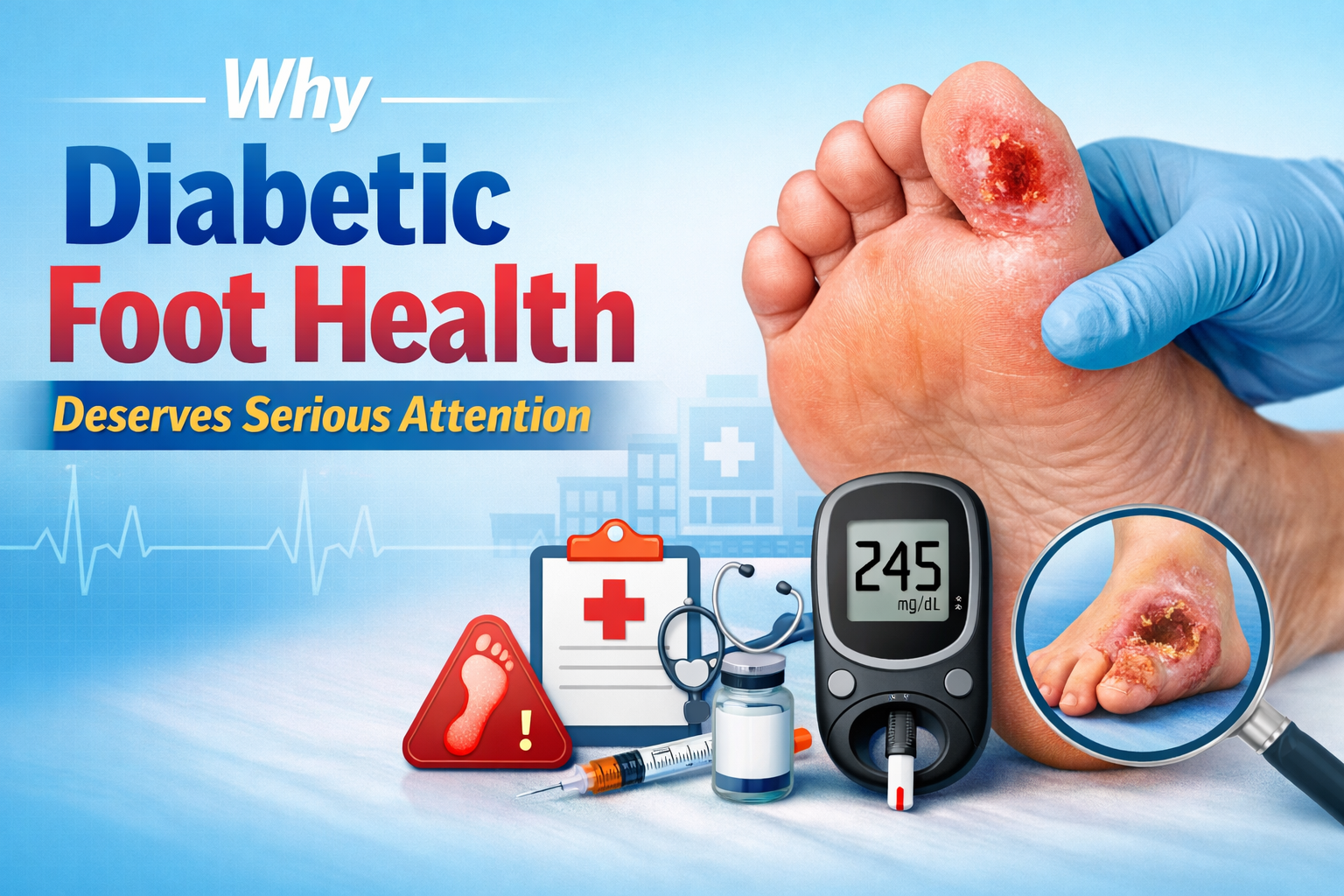
For most people, choosing a pair of shoes is a simple matter of style and comfort. But for the millions of people living with diabetes, the decision carries far greater weight. Diabetic foot complications are among the most serious — and unfortunately, most common — consequences of the disease. In fact, according to the American Diabetes Association, approximately 15% of all diabetic patients will develop a foot ulcer at some point during their lifetime, and a significant number of lower limb amputations each year are directly linked to diabetes-related foot problems.
The connection between diabetes and foot health lies in two key complications: peripheral neuropathy (nerve damage that reduces sensation in the feet) and peripheral artery disease (reduced blood flow to the extremities). Together, these conditions mean that even a tiny blister, pressure sore, or cut can go unnoticed and untreated, eventually leading to infection, ulceration, and in severe cases, amputation.
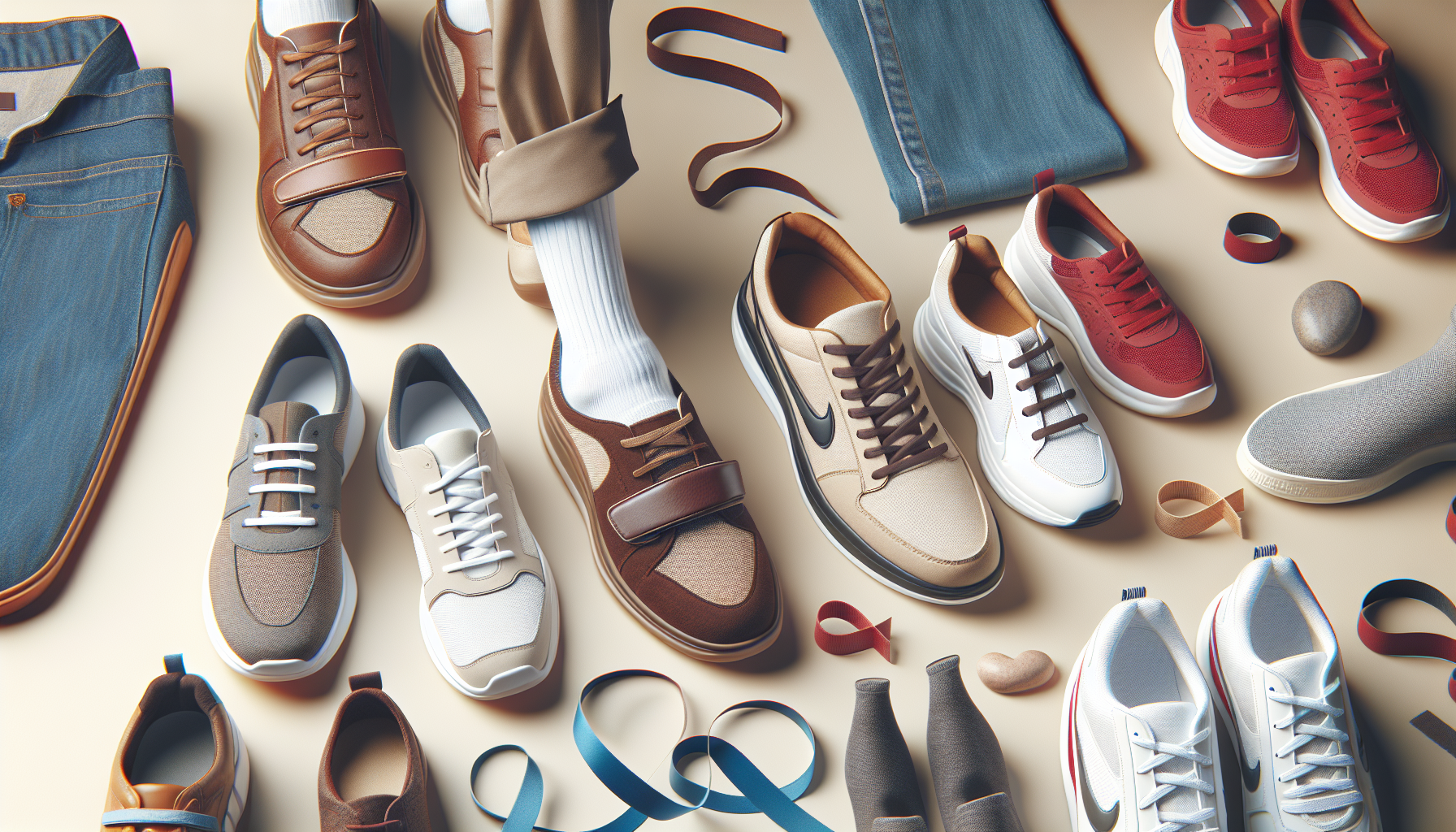
The good news? The right footwear can make a dramatic difference. Wearing specially designed diabetic shoes can reduce the risk of foot ulcers, prevent pressure points, and keep your feet protected day after day. In this comprehensive guide, we’ll explore everything you need to know about choosing the best footwear for diabetic patients — from key features to look for, to top product recommendations, to tips for maintaining foot health.
Understanding Diabetic Foot Complications
Before diving into footwear recommendations, it’s important to understand why diabetic patients are at such elevated risk for foot problems. This knowledge will help you appreciate why certain shoe features are non-negotiable rather than optional.
Peripheral Neuropathy
High blood sugar levels over time damage the nerves throughout the body, but the feet are particularly vulnerable. Peripheral neuropathy results in numbness, tingling, burning sensations, or complete loss of feeling in the feet. When you can’t feel pain, you lose your body’s natural warning system. A pebble in your shoe, a blister from friction, or a minor cut can go unnoticed for days — allowing infection to set in before you even realize something is wrong.
Poor Circulation
Diabetes damages blood vessels, reducing circulation to the extremities. Poor blood flow means that even minor injuries heal slowly or not at all. The immune cells and nutrients that normally rush to a wound site simply can’t get there efficiently. This dramatically increases the risk that a small wound will become a serious, chronic ulcer.
Dry Skin and Calluses
Neuropathy also affects the sweat glands in the feet, leading to abnormally dry skin. Dry skin cracks easily, creating entry points for bacteria. Additionally, abnormal foot mechanics related to neuropathy can cause calluses to form in unusual places, and beneath these calluses, ulcers can quietly develop.
Foot Deformities
Over time, nerve damage can alter the muscles and tendons in the foot, causing structural changes such as hammertoes, bunions, and Charcot foot — a condition where the bones of the foot weaken and fracture, sometimes causing the arch to collapse entirely. These deformities create abnormal pressure points that standard footwear cannot accommodate safely.
What to Look for in Diabetic Footwear
Not all shoes marketed as “diabetic-friendly” truly live up to that label. Knowing which features genuinely matter will help you make an informed choice, whether you’re shopping online or in a specialty store.
1. Extra Depth Design
One of the most important features in diabetic footwear is extra depth — typically at least one-quarter to three-eighths of an inch deeper than standard shoes. This additional space accommodates custom orthotics or insoles, reduces pressure on the top of the toes (especially important for those with hammertoes or bunions), and allows the foot to rest naturally without being squeezed from above.
2. Wide and Deep Toe Box
A wide, roomy toe box is essential. Cramped toes lead to friction, blisters, and pressure sores — injuries that can be catastrophic for diabetic patients. Look for shoes with a squared or rounded toe box that allows all five toes to rest without touching the sides or top of the shoe. Avoid pointed toe styles entirely.
3. Seamless or Minimal-Seam Interior
Internal seams are a leading cause of friction-related skin breakdown in diabetic patients. Because many diabetics cannot feel when a seam is rubbing, the damage can be severe before it’s noticed. Truly diabetic-safe shoes feature seamless or minimal-seam interiors lined with soft, smooth materials that eliminate potential irritation points.
4. Cushioned, Supportive Insoles
The insole is the foundation of a good diabetic shoe. It should provide even pressure distribution across the entire foot, reducing peak pressure at vulnerable areas like the ball of the foot and the heel. Many diabetic shoes come with removable insoles specifically designed to accommodate custom orthotics prescribed by a podiatrist or orthopedic specialist.
5. Non-Binding Uppers
The upper portion of the shoe — the part that covers the top and sides of the foot — should be made of soft, flexible materials like genuine leather, stretchable mesh, or specialized diabetic fabrics. These materials conform to the shape of the foot without creating tight spots or binding. Avoid stiff materials that don’t give with foot movement.
6. Adjustable Closures
Feet swell throughout the day, and diabetic patients may experience swelling more significantly due to circulatory issues. Shoes with adjustable closures — such as Velcro straps, multiple laces, or buckles — allow you to customize the fit throughout the day and accommodate swelling without creating painful constriction.
7. Firm, Stable Heel Counter
A firm heel counter (the back portion of the shoe that cups the heel) provides stability and helps maintain proper foot alignment. This is especially important for diabetic patients who may have weakened foot muscles or altered gait due to neuropathy. A stable heel counter reduces the risk of ankle rolling and improves overall balance.
8. Protective, Durable Outsole
The outsole should provide excellent traction to prevent slipping and falling, as well as protection from sharp objects that could puncture the sole and injure the foot. A thick, slip-resistant rubber outsole is ideal. Avoid thin-soled shoes like ballet flats or flip-flops that offer little protection.
9. Breathable Materials
Moisture trapped inside a shoe creates the perfect environment for fungal and bacterial growth. Breathable uppers — whether mesh, perforated leather, or moisture-wicking fabrics — help keep feet dry and reduce the risk of infections like athlete’s foot, which can be particularly dangerous for diabetic patients.
Types of Footwear Best Suited for Diabetic Patients
Different situations call for different types of footwear. Here’s a breakdown of the main categories that work well for diabetic patients and what each is best suited for.
1. Therapeutic Diabetic Shoes
These are purpose-built shoes specifically designed to meet the medical needs of diabetic patients. They typically meet the criteria set by Medicare’s Therapeutic Shoe Program and must be prescribed by a physician and fitted by a certified pedorthist. Therapeutic diabetic shoes offer the highest level of protection and are the gold standard for patients with a history of foot ulcers, neuropathy, or structural deformities.
Best for: Patients with moderate to severe neuropathy, foot ulcers, Charcot foot, or structural deformities.
2. Orthopedic Shoes
Orthopedic shoes are designed with the same principles as therapeutic diabetic shoes but may not carry the official “diabetic shoe” label. They prioritize support, proper alignment, and comfort over fashion. Many orthopedic brands offer wide and extra-wide widths, extra depth options, and removable insoles — making them excellent choices for diabetic patients who haven’t yet developed severe complications.
Best for: Patients with mild to moderate foot problems, bunions, hammertoes, or wide feet.
3. Walking Shoes and Athletic Sneakers
For active diabetic patients who exercise regularly, a high-quality walking shoe or athletic sneaker designed with diabetic needs in mind can be ideal. Look for models with excellent cushioning, wide toe boxes, breathable mesh uppers, and sturdy outsoles. Many reputable athletic brands now offer diabetes-friendly lines or models that meet the key criteria.
Best for: Active diabetic patients who walk, exercise, or spend long hours on their feet.
4. Diabetic Slippers
For wear inside the home, diabetic slippers provide the protection that bare feet or socks alone cannot offer. Many diabetic patients are at risk of injury even indoors, where small objects, cold surfaces, or rough carpeting can cause harm. Diabetic slippers feature the same key elements as diabetic shoes — seamless interiors, wide toe boxes, non-slip outsoles — in a more comfortable, house-appropriate design.
Best for: Indoor use, elderly patients, or those who spend most of their time at home.
5. Sandals for Diabetics
While open-toed footwear is generally not recommended for diabetic patients, there are specially designed diabetic sandals that provide adequate protection for warm weather. These sandals feature wide, adjustable straps with no metal buckles that could cause pressure points, thick cushioned footbeds, and closed or semi-closed toe designs to protect the most vulnerable areas.
Best for: Mild cases in warm climates, under podiatrist guidance.
Top Recommended Footwear Brands for Diabetic Patients
The footwear market offers many options, but certain brands have consistently earned the trust of podiatrists, orthopedic specialists, and diabetic patients. Here are some of the most highly regarded names in diabetic footwear.
1. Drew Shoes
Drew Shoes has been a leader in therapeutic footwear for decades and is one of the most prescribed brands by podiatrists. Their shoes are Medicare-certified as diabetic footwear and are available in an impressive range of widths (including 5E and 6E). Drew shoes feature extra depth, seamless interiors, removable insoles, and soft, accommodating uppers — all the hallmarks of excellent diabetic footwear. They offer men’s and women’s styles in everything from casual shoes to dress shoes and sandals.
2. New Balance
New Balance is a well-known athletic footwear brand that has earned a strong reputation among diabetic patients for its commitment to wide widths, excellent cushioning, and supportive designs. Their ABZORB and Fresh Foam cushioning technologies provide superior shock absorption, and many models feature wide or extra-wide widths with roomy toe boxes. While not all New Balance shoes are specifically labeled “diabetic,” many models meet the key criteria.
3. Brooks
Brooks specializes in running and walking shoes with exceptional engineering for biomechanical support. Their shoes are known for outstanding cushioning, stability features, and breathable uppers. Models like the Brooks Addiction Walker and Ariel are particularly popular among diabetic patients and are recommended by podiatrists for their stability and foot protection.
4. Orthofeet
Orthofeet is one of the most comprehensive diabetic and orthopedic footwear brands available, offering an extensive line that includes sneakers, dress shoes, boots, sandals, and slippers. Their patented Arch Booster system and orthotic insoles provide excellent pressure distribution, while their seamless, stretchable uppers accommodate sensitive feet and common deformities. Orthofeet shoes are particularly well-suited for patients with bunions, hammertoes, and wide feet.
5. Apex
Apex foot health products are developed with podiatric input and are available in an extraordinary range of sizes and widths — some models in up to 6E width. Apex is especially well-regarded for patients with very wide feet, edema, or Charcot foot. Their A-Line models are particularly popular in clinical settings and rehabilitation programs.
6. Propet
Propet offers a wide range of diabetic-friendly footwear at accessible price points. Their shoes feature extra depth, removable insoles, and stretch uppers that accommodate foot deformities and swelling. Propet is a popular choice for budget-conscious patients who still need quality diabetic footwear. The brand holds Medicare approval for many of its therapeutic shoe models.
7. Saucony
Saucony offers athletic and walking shoes with excellent cushioning systems and wide-width options. The Saucony Echelon and Grid Omni series are particularly popular among diabetic patients who want a performance-oriented shoe with the room and support they need. Saucony’s Everun and PWRRUN cushioning technologies are excellent for reducing foot fatigue and impact.
Footwear to Avoid if You Have Diabetes
Just as important as knowing what to choose is knowing what to avoid. Certain types of footwear pose significant risks for diabetic patients and should be eliminated from your wardrobe.
- Flip-flops and thong sandals: These offer virtually no protection for the feet, leave the toes completely exposed, and provide no stability. A small stone or piece of glass can easily injure an unprotected foot.
- High heels: High heels shift excessive pressure to the ball of the foot and toes, dramatically increasing the risk of pressure ulcers in these vulnerable areas.
- Pointy-toed shoes: These squeeze the toes together, creating friction and pressure sores, and are particularly dangerous for patients with hammertoes or bunions.
- Slip-on shoes without proper support: Many stylish loafers and slip-ons lack the depth, stability, and structure needed to protect diabetic feet.
- Stiff leather shoes: Brand-new, stiff shoes — even quality ones — can cause significant rubbing and blisters before they break in. Always break in new shoes gradually.
- Barefoot walking: Even inside the home, walking barefoot exposes diabetic feet to injury from sharp objects, rough surfaces, and temperature extremes that the patient may not feel.
- Shoes with prominent interior seams or decorative stitching: Any internal features that create pressure points or friction should be avoided.
Tips for Properly Fitting Diabetic Footwear
Even the best diabetic shoe will cause problems if it’s not properly fitted. Here are essential tips for getting the right fit every time.
Get Your Feet Measured Regularly
Feet change shape and size as we age, and this process can be accelerated by diabetes-related complications. Have both feet measured by a professional at least once a year — ideally by a certified pedorthist or a podiatrist. Always measure both feet, as they may differ in size, and choose the larger size when they don’t match.
Shop for Shoes in the Afternoon
Feet naturally swell throughout the day, reaching their maximum size in the afternoon or evening. Shopping for shoes at this time ensures you’re fitting your foot at its largest, preventing shoes that feel fine in the morning but become uncomfortably tight by afternoon.
Wear Your Orthotics When Trying on Shoes
If you use custom orthotics, always bring them when shopping for shoes and try the shoes on with the orthotics in place. Remove the stock insole if necessary to ensure the orthotic fits properly without adding excessive height or pressure.
Check for Proper Length and Width
There