Introduction: Why Does My Heel Hurt?
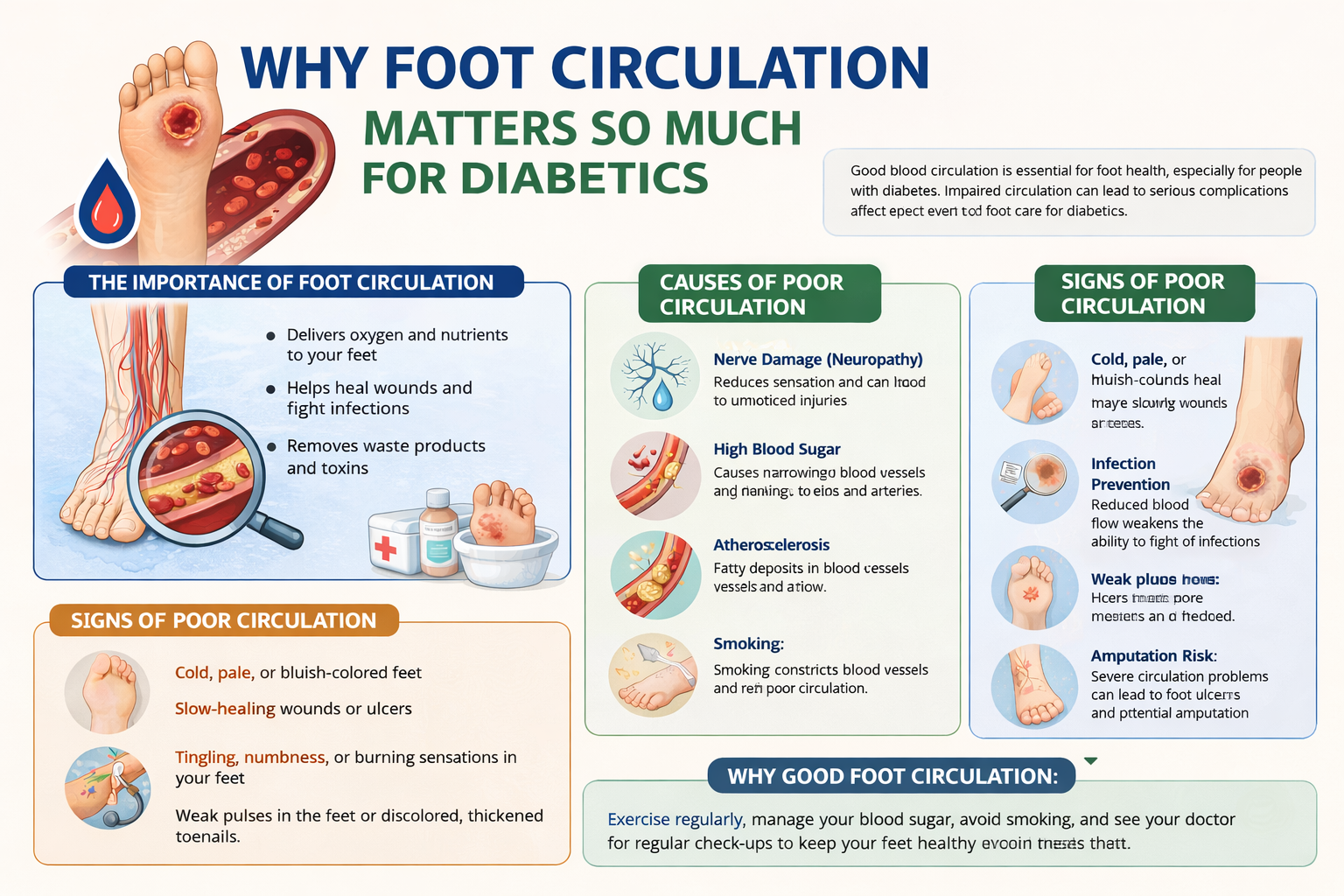
Heel pain is one of the most common foot complaints that affects millions of people worldwide, regardless of age, gender, or lifestyle. Whether it’s that sharp, stabbing sensation you feel when you first step out of bed in the morning, a dull ache that lingers throughout the day, or a throbbing discomfort after a long run, heel pain can significantly interfere with your daily life and overall quality of living.
The heel is the largest bone in the foot, and it bears the brunt of our body weight with every step we take. Because of this immense mechanical load, the heel is particularly vulnerable to a wide range of conditions and injuries. Understanding the root cause of your heel pain is the first and most critical step toward finding the right treatment and getting back on your feet — literally.
In this comprehensive guide, we’ll explore the most common reasons behind heel pain, the symptoms associated with each condition, and what you can do to find relief. Whether your pain is mild or severe, short-term or chronic, this article will help you understand what’s happening beneath your feet.
1. Plantar Fasciitis: The Most Common Culprit
If there’s one condition that dominates the conversation around heel pain, it’s plantar fasciitis. This condition accounts for a significant majority of heel pain cases and affects athletes, office workers, parents, and seniors alike.
What Is Plantar Fasciitis?
The plantar fascia is a thick, fibrous band of tissue that runs along the bottom of your foot, connecting your heel bone (calcaneus) to your toes. It acts like a shock-absorbing bowstring that supports the arch of your foot. When this band of tissue is overstretched, overused, or subjected to excessive stress, it becomes inflamed — a condition known as plantar fasciitis.
Symptoms
- Sharp, stabbing pain at the bottom of the heel, especially with the first steps in the morning
- Pain that decreases after walking around for a bit but returns after long periods of standing or sitting
- Tenderness along the arch of the foot
- Increased pain after exercise, not during it
Common Risk Factors
- Obesity: Extra body weight puts more stress on the plantar fascia
- Age: Most common between ages 40 and 60
- Certain types of exercise: Long-distance running, ballet dancing, and aerobics
- Flat feet or high arches: Abnormal arch structure affects weight distribution
- Occupations that require standing: Teachers, factory workers, and nurses are particularly vulnerable
2. Heel Spurs
Often mentioned in the same breath as plantar fasciitis, heel spurs are bony outgrowths that develop on the underside of the heel bone. While many people assume that heel spurs are the direct cause of their pain, the reality is more nuanced.
Understanding Heel Spurs
Heel spurs are calcium deposits that build up over time, forming a hook-like protrusion on the heel bone. They are often the result of long-term strain on the foot muscles and ligaments, particularly the plantar fascia. Interestingly, not all heel spurs cause pain — in fact, many people have heel spurs without ever knowing it, as the spurs are discovered incidentally during X-rays taken for other reasons.
When Do Heel Spurs Hurt?
Pain from heel spurs is often associated with the surrounding inflamed tissue rather than the spur itself. The pain tends to feel like a knife or pin sticking into the bottom of your foot when you stand up in the morning. Over the course of the day, it may dull into an ache.
Contributing Factors
- Wearing poorly fitted or worn-out shoes
- Running or jogging on hard surfaces
- Excess body weight
- Gait abnormalities that place unusual stress on the heel
3. Achilles Tendinitis
While plantar fasciitis affects the bottom of the heel, Achilles tendinitis affects the back of the heel. This condition involves inflammation of the Achilles tendon, the largest and strongest tendon in the body, which connects the calf muscles to the heel bone.
Why Does It Happen?
Achilles tendinitis is typically an overuse injury. It’s especially common among runners who suddenly increase their training intensity or duration, as well as in middle-aged individuals who participate in recreational sports on weekends. The tendon becomes irritated, inflamed, and if left untreated, can degenerate over time.
Symptoms to Watch For
- Pain and stiffness along the Achilles tendon in the morning
- Pain along the tendon or back of the heel that worsens with activity
- Severe pain the day after exercising
- Thickening of the tendon
- Swelling that worsens throughout the day
- Bone spur formation (insertional Achilles tendinitis)
Types of Achilles Tendinitis
There are two main types: noninsertional Achilles tendinitis, where the fibers in the middle portion of the tendon break down, and insertional Achilles tendinitis, which affects the lower portion where the tendon attaches to the heel bone. Both can cause significant heel pain and require different treatment approaches.
4. Bursitis
Between the bones, tendons, and skin of your heel lies a small, fluid-filled sac called a bursa. Its job is to cushion and reduce friction between these structures. When the bursa becomes inflamed — a condition known as bursitis — it can cause significant heel pain.
Retrocalcaneal Bursitis
The most common form of heel bursitis is retrocalcaneal bursitis, which affects the bursa located between the Achilles tendon and the heel bone. This condition is often confused with Achilles tendinitis because the symptoms are similar, but the location of the inflammation is different.
Causes and Symptoms
- Tight calf muscles or Achilles tendon
- Starting a new, intense exercise program
- Wearing shoes with rigid or stiff heel counters
- Inflammatory arthritis conditions like rheumatoid arthritis
- Pain at the back of the heel, especially when pressing on the soft tissue area
- Swelling and redness at the back of the heel
5. Stress Fractures
A stress fracture of the heel bone (calcaneus) is a less common but serious cause of heel pain that demands prompt medical attention. Unlike acute fractures caused by a single traumatic event, stress fractures develop gradually from repetitive mechanical stress over time.
Who Is at Risk?
Stress fractures of the heel are particularly common in:
- Long-distance runners who log high weekly mileage
- Military recruits who undergo intense, repetitive training
- People with osteoporosis or other bone-weakening conditions
- Athletes who rapidly increase the intensity or duration of their training
Symptoms of a Heel Stress Fracture
- Deep, aching pain in the heel that worsens with weight-bearing activity
- Pain that comes on gradually and progressively worsens
- Swelling and tenderness on the sides and bottom of the heel
- Pain that improves with rest
If a stress fracture is suspected, imaging tests such as X-rays, MRI, or bone scans are necessary for diagnosis. Treatment typically involves rest, immobilization, and avoiding weight-bearing activities for several weeks.
6. Tarsal Tunnel Syndrome
Similar in concept to carpal tunnel syndrome in the wrist, tarsal tunnel syndrome occurs when the posterior tibial nerve — which runs through a narrow space called the tarsal tunnel on the inside of the ankle — becomes compressed or pinched. This nerve compression can radiate pain into the heel.
Recognizing Tarsal Tunnel Syndrome
The symptoms of tarsal tunnel syndrome can be tricky to identify because they mimic other heel pain conditions. Common signs include:
- Shooting or burning pain in the heel and sole of the foot
- Tingling or numbness in the foot and toes
- Pain that worsens with prolonged standing or walking
- A sensation similar to an electric shock radiating from the inner ankle into the foot
Underlying Causes
- Flat feet, which can stretch and compress the tibial nerve
- Inflammatory conditions like arthritis
- Benign growths such as ganglion cysts or lipomas within the tarsal tunnel
- Previous ankle injuries or trauma
- Varicose veins that increase pressure within the tunnel
7. Sever’s Disease (Calcaneal Apophysitis)
While most heel pain conditions affect adults, Sever’s disease is the leading cause of heel pain in children and adolescents. Despite its alarming name, it is not actually a disease in the traditional sense but rather a growth plate injury.
What Happens in Sever’s Disease?
During childhood and adolescence, bones grow from areas of cartilage called growth plates. The growth plate in the heel (calcaneal apophysis) is particularly vulnerable during periods of rapid growth. When the Achilles tendon pulls repeatedly on this growth plate — especially during physical activity — it can cause inflammation and pain.
Who Gets It?
- Children between the ages of 8 and 14
- Active children who participate in sports like soccer, basketball, and gymnastics
- Children experiencing growth spurts
- Children with flat feet or high arches
Symptoms in Children
- Heel pain during or after physical activity
- Limping, especially after exercise
- Tenderness when the sides of the heel are squeezed
- Walking on tiptoes to avoid putting pressure on the heel
The good news is that Sever’s disease resolves on its own once the growth plate hardens, typically by the mid-teens. Rest, stretching, and supportive footwear can help manage symptoms in the meantime.
8. Haglund’s Deformity
Sometimes called “pump bump,” Haglund’s deformity is a bony enlargement on the back of the heel that can irritate the soft tissues and bursa when they rub against footwear. This condition is commonly associated with wearing rigid-backed shoes, such as high heels or pumps — hence the nickname.
How It Develops
The bony bump forms over time as the back of the shoe repeatedly presses against the heel bone. This constant friction causes the bone to grow and the surrounding tissues to become irritated and inflamed. The condition can also develop in people with a naturally prominent heel bone.
Symptoms
- A noticeable bump on the back of the heel
- Pain at the back of the heel where the Achilles tendon attaches
- Swelling and redness in the area
- Blisters or calluses from shoe friction
9. Peripheral Neuropathy
Peripheral neuropathy refers to damage or dysfunction of the peripheral nerves — the nerves that carry signals between the brain and the rest of the body. When these nerves are damaged, they can cause a wide range of sensations in the feet, including heel pain.
Common Causes of Peripheral Neuropathy
- Diabetes: Diabetic peripheral neuropathy is one of the most common complications of diabetes and frequently affects the feet
- Vitamin deficiencies: Lack of vitamins B1, B6, B12, and E can damage nerves
- Alcohol abuse: Chronic alcohol use is a major cause of nerve damage
- Autoimmune diseases: Conditions like lupus and rheumatoid arthritis can cause peripheral neuropathy
- Infections: Shingles, Lyme disease, and HIV can affect the nerves
Symptoms Affecting the Heel
- Burning or tingling sensation in the heel and foot
- Sharp, electric-like pain
- Numbness or reduced sensation
- Sensitivity to touch, even from light clothing or bed sheets
10. Arthritis-Related Heel Pain
Several forms of arthritis can directly cause or contribute to heel pain. Inflammatory arthritis conditions in particular tend to affect the heel and surrounding structures.
Rheumatoid Arthritis
Rheumatoid arthritis (RA) is an autoimmune disease that causes the immune system to attack the joints, leading to inflammation, pain, and swelling. The heel joints and the tissues around the heel can be significantly affected, causing chronic pain and structural changes over time.
Ankylosing Spondylitis
This form of inflammatory arthritis primarily affects the spine but frequently involves the heel as well. Heel pain in ankylosing spondylitis typically results from inflammation at the attachment sites of tendons and ligaments to the bone, a condition known as enthesitis.
Psoriatic Arthritis
Associated with the skin condition psoriasis, psoriatic arthritis can cause enthesitis at the Achilles tendon and plantar fascia attachment points, leading to significant heel pain that can be debilitating if left untreated.
Gout
Gout is a form of arthritis caused by the buildup of uric acid crystals in the joints. While it most commonly affects the big toe, gout can also cause severe pain and inflammation in the heel. Gout attacks come on suddenly and can be intensely painful.
11. Fat Pad Atrophy
The heel naturally has a thick pad of fat that cushions the bone with every step. As we age, this fat pad can thin out or atrophy, reducing the natural cushioning and leading to heel pain. This condition is particularly common in older adults and people who have had long-term corticosteroid injections in the heel.