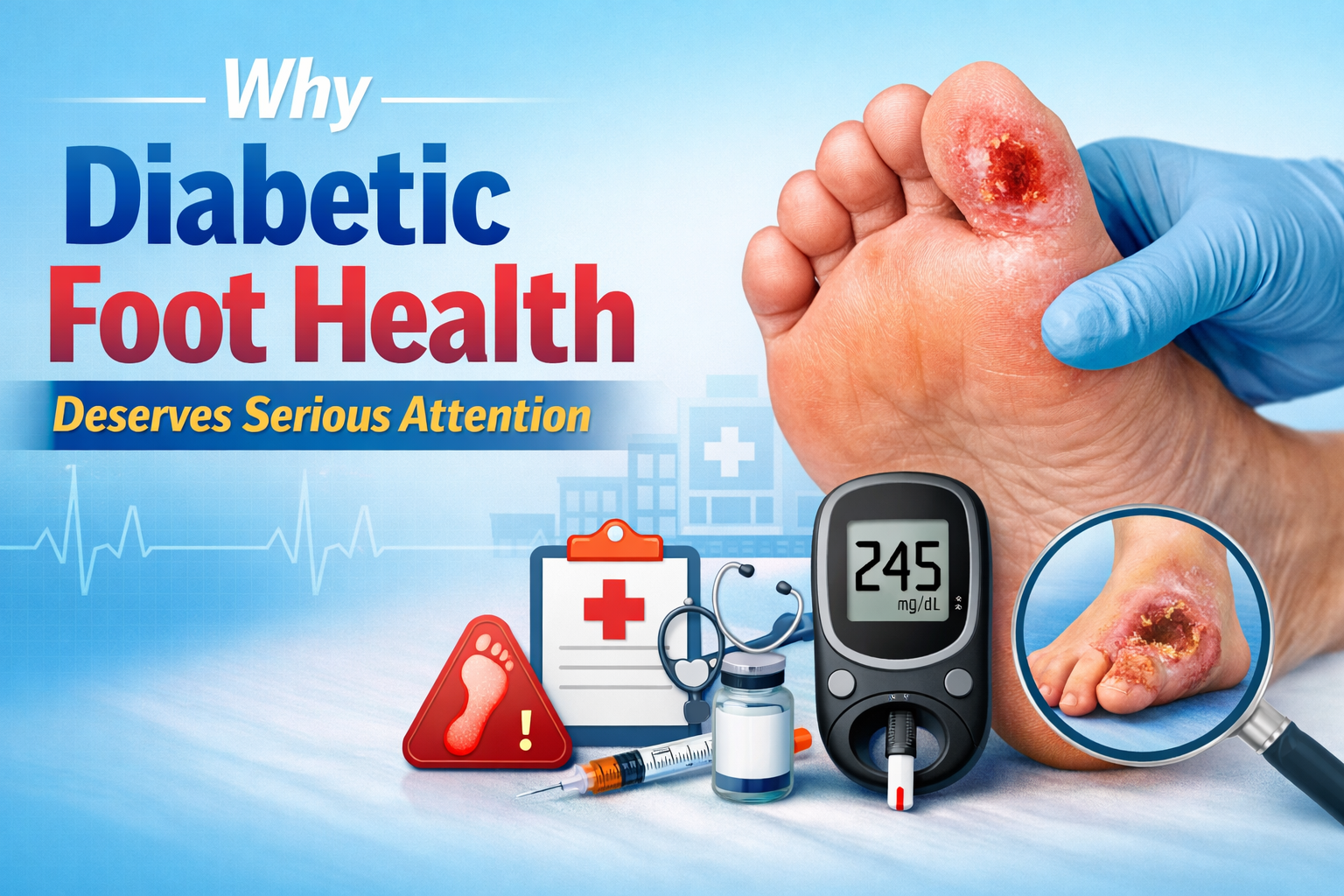
Understanding Diabetic Neuropathy: Why Your Feet Need Extra Attention
Living with diabetes comes with a unique set of challenges, and one of the most serious — yet often overlooked — is the impact it can have on your feet. Diabetic neuropathy, a type of nerve damage caused by prolonged high blood sugar levels, affects nearly 50% of all people with diabetes. When nerves in the feet become damaged, you may lose the ability to feel pain, heat, or cold — turning even the smallest cut or blister into a potentially life-threatening wound.
Each year, diabetes-related foot complications lead to more than 100,000 lower-limb amputations in the United States alone. The good news? The vast majority of these amputations are preventable with proper foot care, education, and early intervention. Whether you’ve recently been diagnosed with diabetes or have been managing it for years, understanding diabetic neuropathy and adopting a rigorous foot care routine can make an enormous difference in your quality of life.
In this comprehensive guide, we’ll explore what diabetic neuropathy is, how it affects your feet, warning signs to watch for, and the most effective foot care tips to help you stay healthy, active, and complication-free.
What Is Diabetic Neuropathy?
Diabetic neuropathy is a group of nerve disorders caused by diabetes. When blood sugar (glucose) levels remain elevated over a long period of time, they can damage the walls of the tiny blood vessels that supply oxygen and nutrients to the nerves. Over time, this damage impairs the nerves’ ability to function properly.
There are four main types of diabetic neuropathy:
- Peripheral Neuropathy: The most common form, affecting the feet, legs, hands, and arms. It causes numbness, tingling, burning sensations, and loss of sensation.
- Autonomic Neuropathy: Affects the nerves that control internal organs, including the bladder, digestive system, heart, and sweat glands. In the feet, it can reduce sweating, leading to dry, cracked skin.
- Proximal Neuropathy: Also called diabetic amyotrophy, this type affects the nerves in the thighs, hips, buttocks, and legs, causing weakness and pain.
- Focal Neuropathy (Mononeuropathy): Involves damage to a single nerve, most often in the hand, head, torso, or leg, causing sudden weakness or pain.
For foot health specifically, peripheral neuropathy and autonomic neuropathy are the most relevant. These two types can rob you of protective sensation in your feet, impair circulation, and create conditions where wounds go unnoticed and unhealed — a dangerous combination that can quickly escalate into serious infections.
How Diabetic Neuropathy Affects Your Feet
The feet are particularly vulnerable to neuropathy because they are the furthest point from the heart and spine, making circulation and nerve signals weaker there to begin with. When diabetic neuropathy strikes, it creates a perfect storm of problems that can lead to severe complications.
Loss of Protective Sensation
One of the most dangerous aspects of peripheral neuropathy is the loss of protective sensation. Normally, pain is a warning signal — it tells you when something is wrong. When you step on a nail or develop a blister, you feel it and take action. With diabetic neuropathy, that alarm system breaks down. You may step on a sharp object, burn your foot in hot water, or develop a wound without ever knowing it. Without prompt treatment, these small injuries can become infected and progress to serious complications like gangrene.
Poor Circulation
Diabetes also damages blood vessels, reducing blood flow to the feet. Poor circulation means that when wounds do occur, the body struggles to heal them efficiently. White blood cells — which fight infection — can’t reach the wound effectively. Oxygen and nutrients needed for tissue repair are limited. This is why diabetic foot wounds are notorious for healing slowly or not healing at all.
Changes in Foot Shape and Structure
Nerve damage can weaken the muscles in the foot, causing structural changes such as hammertoes, bunions, and Charcot foot — a serious condition in which the bones of the foot weaken and fracture, sometimes causing the foot to change shape dramatically. These deformities create abnormal pressure points, leading to calluses and ulcers.
Dry, Cracked Skin
Autonomic neuropathy reduces sweating in the feet, leaving the skin dry and prone to cracking. Cracks in the skin, especially around the heels, create entry points for bacteria and increase the risk of infection.
Recognizing the Warning Signs of Diabetic Neuropathy
Catching diabetic neuropathy early is key to preventing serious complications. Be alert to the following warning signs and report them to your healthcare provider promptly:
- Numbness or reduced ability to feel pain or temperature changes in your feet
- Tingling or burning sensations, often described as “pins and needles”
- Sharp, jabbing, or electric-shock-like pain
- Muscle weakness or difficulty walking
- Extreme sensitivity to touch — even the weight of a bedsheet can feel painful
- Cramps in the feet or legs, especially at night
- Loss of balance or coordination
- Foot ulcers or wounds that don’t heal
- Changes in skin color or temperature in the feet
- Calluses or corns that develop repeatedly in the same areas
It’s worth noting that some people with diabetic neuropathy experience no symptoms at all in the early stages, which is why regular medical foot exams are so critical.
Essential Foot Care Tips for People with Diabetic Neuropathy
The cornerstone of preventing diabetic foot complications is a disciplined, daily foot care routine. These tips, endorsed by the American Diabetes Association and leading podiatrists, can significantly reduce your risk of infections, ulcers, and amputations.
1. Inspect Your Feet Every Single Day
Make it a non-negotiable habit to inspect your feet thoroughly every day — ideally at the same time each day, such as before bed. Check for cuts, blisters, redness, swelling, bruising, cracked skin, and any changes in nail condition. Use a hand mirror to see the bottoms of your feet, or ask a family member to help if you have difficulty bending. Look between your toes as well, as wounds can hide in these areas.
If you notice anything unusual — even something that seems minor — don’t wait to see if it improves on its own. Contact your healthcare provider promptly.
2. Wash Your Feet Daily with Lukewarm Water
Wash your feet every day using mild soap and lukewarm water. Because neuropathy can impair your ability to sense temperature, always test the water with your elbow or a thermometer before putting your feet in. The ideal temperature is between 92°F and 100°F (33°C to 38°C). Never use hot water, as it increases the risk of burns.
Gently wash between your toes, then pat your feet dry — never rub, as friction can damage fragile skin. Pay particular attention to drying between the toes, as moisture in that area creates a perfect environment for fungal infections like athlete’s foot.
3. Moisturize Properly — But Not Between the Toes
After washing and drying your feet, apply a good-quality moisturizing lotion to prevent dry, cracked skin. Focus on the heels and soles, which are most prone to dryness. Look for creams containing urea or lactic acid, which are especially effective at softening thickened skin.
However, never apply lotion between your toes. Moisture trapped between the toes promotes fungal growth, which can lead to infections. If your skin between the toes is already moist, consider using a small amount of talcum powder instead.
4. Trim Toenails Carefully and Regularly
Toenails that are too long or improperly trimmed can cause ingrown nails, which are a common source of infection in diabetic patients. Trim your nails straight across and file the edges smooth with a nail file to prevent sharp corners from cutting into neighboring toes.
Never cut your nails too short, and avoid cutting into the corners. If you have thick, difficult-to-trim nails, or if you have any concerns about trimming safely, visit a podiatrist. Do not attempt to cut corns or calluses yourself — this should always be done by a medical professional.
5. Never Go Barefoot
Even inside your home, walking barefoot when you have diabetic neuropathy is risky. You may not feel a splinter, broken glass, or a sharp toy that cuts into your foot. Always wear shoes or protective slippers — even when you’re just walking to the bathroom in the middle of the night.
Before putting on shoes, always shake them out and check the inside with your hand to make sure there are no foreign objects or rough spots that could cause injury. This simple step takes only seconds but can prevent serious problems.
6. Choose Appropriate Footwear
The shoes you wear can make a dramatic difference in your foot health. Follow these guidelines when choosing footwear:
- Opt for shoes with a wide toe box that don’t crowd your toes.
- Choose shoes made of breathable materials like leather or canvas to reduce moisture buildup.
- Avoid high heels and pointed-toe shoes, which create excessive pressure on certain areas of the foot.
- Look for shoes with good cushioning and arch support to distribute pressure evenly.
- Break in new shoes gradually — wear them for just an hour or two at a time initially to avoid blisters.
- Shop for shoes in the afternoon when your feet are at their largest due to normal daily swelling.
- Consider therapeutic or diabetic shoes, which are specially designed to reduce pressure points and accommodate foot deformities. These are often covered by Medicare for qualifying patients.
7. Wear Seamless, Moisture-Wicking Socks
The right socks are just as important as the right shoes. Standard socks with thick seams can create pressure points and cause blisters. Choose socks that are:
- Seamless or have minimal seams to reduce friction
- Made of moisture-wicking materials like merino wool or synthetic blends that keep feet dry
- Padded at the heel and ball of the foot for extra cushioning
- Fitted (not too tight or too loose) — loose socks can bunch and create pressure points, while tight socks restrict circulation
- White or light-colored, so that any drainage from a wound is visible
Avoid socks with elastic bands that cut into the skin, and change your socks daily — or more often if your feet sweat excessively.
8. Manage Your Blood Sugar Levels
This is arguably the most important thing you can do for your foot health. High blood sugar is the root cause of diabetic neuropathy, so keeping your glucose levels as close to your target range as possible is essential for slowing the progression of nerve damage and reducing your risk of complications.
Work closely with your healthcare team to:
- Follow a diabetes-friendly meal plan
- Take all prescribed medications as directed
- Exercise regularly to improve circulation and glucose control
- Monitor your blood sugar levels consistently
- Keep your A1C levels within the target range recommended by your doctor
Research has shown that tight blood sugar control can reduce the risk of developing neuropathy by up to 60% in people with type 1 diabetes and can slow its progression in those with type 2 diabetes.
9. Get Regular Professional Foot Exams
Even if your feet feel fine, you should have a comprehensive foot exam by your doctor or a podiatrist at least once a year — and more frequently if you already have signs of neuropathy. During this exam, your provider will:
- Test for loss of sensation using a monofilament (a thin, flexible wire)
- Check your reflexes and vibration sense
- Evaluate circulation by checking pulses in the foot
- Inspect the skin for wounds, calluses, and infections
- Assess the structure of your foot for deformities
These exams are vital for catching problems early. Don’t skip them, even if you feel well.
10. Avoid Smoking and Limit Alcohol
Smoking significantly worsens circulation, accelerating the vascular damage already caused by diabetes. Smokers with diabetes are at dramatically higher risk of foot ulcers and amputations than non-smokers. If you smoke, quitting is one of the most powerful steps you can take to protect your feet and your overall health.
Excessive alcohol consumption can also worsen neuropathy and impair balance, increasing the risk of foot injuries. Speak with your healthcare provider about strategies for quitting smoking or reducing alcohol intake.
11. Protect Your Feet from Extreme Temperatures
Because neuropathy reduces your ability to sense temperature, you need to take extra precautions to protect your feet from both heat and cold:
- Never use heating pads or hot water bottles directly on your feet — they can cause burns without you realizing it.
- Wear warm socks in cold weather to protect against frostbite.
- Never walk on hot surfaces like sand or asphalt barefoot in summer.
- Test bathwater temperature with your elbow before stepping in.
- Keep your feet away from radiators and open fires.
12. Stay Physically Active
Regular physical activity improves blood flow to the feet, helps control blood sugar levels, and maintains a healthy weight — all of which are beneficial for managing and preventing diabetic neuropathy. Walking, swimming, cycling, and yoga are all excellent low-impact options for people with diabetes.
However, be cautious with high-impact activities if you already have nerve damage or foot deformities. Always wear proper footwear during exercise and check your feet before and after physical activity for any signs of irritation or injury.
When to Seek Immediate Medical Attention
Some foot problems require immediate professional care. Do not attempt to treat these at home:
- Any open wound, cut, or sore that hasn’t healed within a few days
- Signs of infection — redness, warmth, swelling, pus, or a foul odor
- Fever accompanying a foot wound
- Black or dark-colored skin on the foot (a sign of gangrene — a medical emergency)
- A sudden, dramatic change in foot shape (possible Ch
Categories: