Introduction: The Shock of an Amputation Recommendation
Few medical pronouncements carry the emotional weight of being told that a toe, foot, or lower leg must be amputated. For diabetic patients dealing with severe foot ulcers, deep tissue infections, or dry gangrene, this recommendation often arrives during a high-stress hospital stay. In many general surgical settings, amputation is viewed as the fastest way to control spreading infection.
However, modern podiatric medicine has advanced dramatically. At CDFC Hospital (Chennai Diabetic Foot Care Centre), our central mission is Amputation Prevention. We believe that an amputation decision should never be made without a comprehensive secondary review by a dedicated podiatric surgeon. In a vast majority of cases, advanced micro-debridement, specialized vascular restoration, modern wound matrix therapy, and structured offloading can save amputations previously deemed unseverable.
The Medical Landscape: General Surgery vs. Dedicated Podiatry
Why do opinions vary so dramatically between healthcare centers? The difference lies in clinical specialization and dedicated infrastructure.
5 Scenarios Where You Should Seek a Limb-Salvage Second Opinion
1. Major Amputation (Below-Knee or Above-Knee) Advised
Before consenting to losing a leg, obtain a vascular and podiatric evaluation. Many amputations are sacrificed simply because localized blood flow was not adequately assessed or restored using micro-vascular techniques or localized angioplasty.
2. Wounds Stagnant for Over 4 Weeks
If a diabetic foot ulcer has been treated with conventional daily dressings for over a month without a 50% reduction in size, the current protocol has failed. Specialized interventions—such as Negative Pressure Wound Therapy (NPWT), skin grafting, or bio-engineered tissue matrices—are required.
3. Localized Dry Gangrene of the Toes
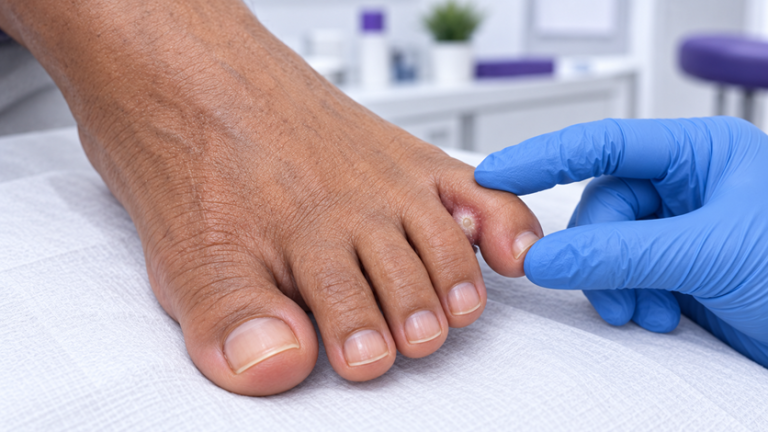
Dry gangrene occurs when tissue dies due to lack of blood supply without active bacterial infection. In many cases, dead tissue on a toe can be allowed to auto-amputate or be surgically resected locally, preserving the rest of the foot and allowing the patient to continue walking.
4. Severe Peripheral Arterial Disease (PAD)
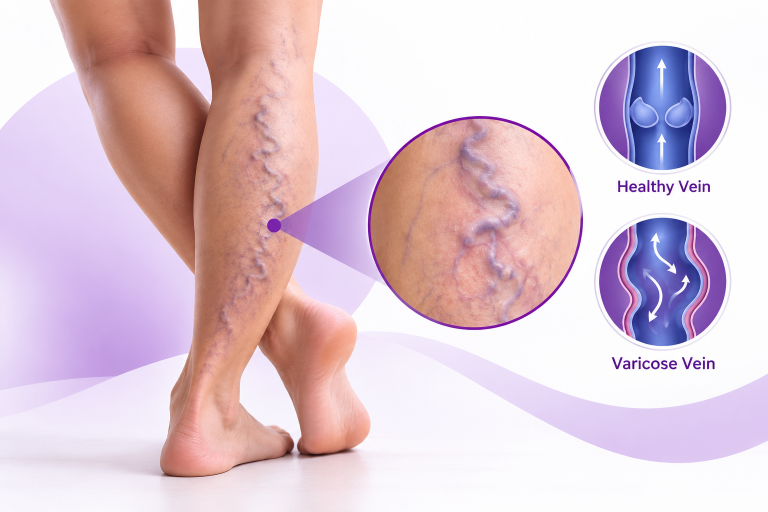
If you have been told that “poor circulation makes healing impossible,” seek a secondary vascular review. Endovascular procedures, angioplasty, and specialized circulation-enhancing therapies can restore essential arterial flow to ischemic wound beds.
5. Charcot Foot Deformity Misdiagnosed as Infection
Charcot neuroarthropathy causes severe swelling, heat, and bone collapse due to nerve damage. It is frequently misdiagnosed as an incurable bone infection (osteomyelitis), leading to unnecessary amputation recommendations. Proper casting and offloading can stabilize Charcot joints without surgery.
The CDFC Limb-Salvage Evaluation Protocol
When a patient arrives at CDFC Hospital in Kilpauk seeking a second opinion, we execute a rigorous, multi-point evaluation designed to identify every avenue for amputation preservation:
| Evaluation Step | Clinical Focus | Clinical Objective |
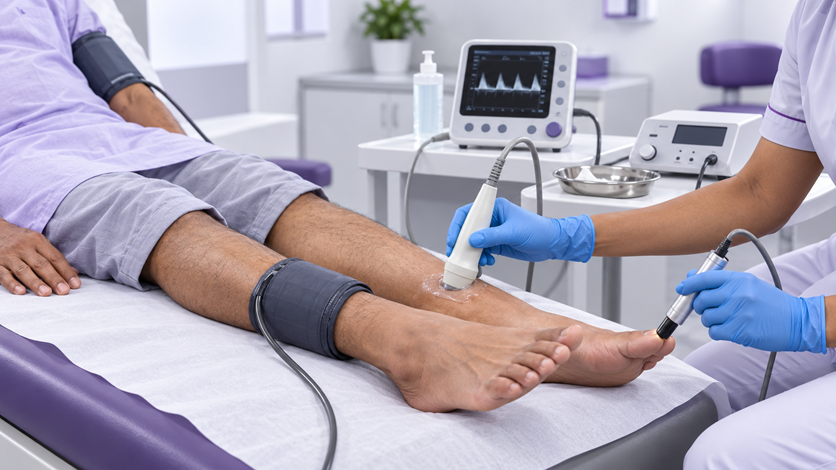
| 1. Micro-Vascular Assessment | Doppler Scans, ABI, Transcutaneous Oxygen | Determine exact arterial blood flow levels reaching the wound bed. |
| 2. Microbiological Profiling | Deep Tissue Culture (not superficial swabs) | Identify specific bacterial strains to target with precise antibiotics. |
| 3. Bone & Structural Imaging | High-Resolution X-rays / Specialized Scans | Differentiate bone destruction from reversible osteomyelitis or Charcot shifts. |
| 4. Surgical Micro-Debridement | Targeted removal of devitalized tissue | Retain every millimeter of healthy, functional tissue and muscle tendon. |
| 5. Advanced Biologics & NPWT | Collagen matrices, growth factors, vacuum therapy | Stimulate rapid granulation and skin closure over exposed structures. |
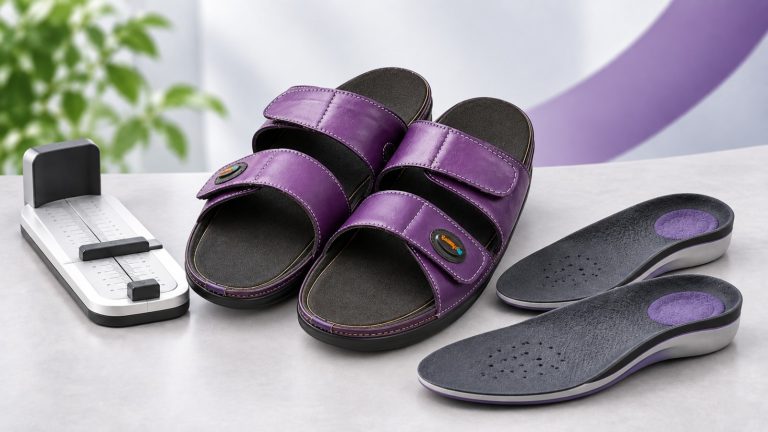
| 6. Custom Pressure Offloading | Total Contact Casting, specialized footwear | Remove 100% of weight-bearing stress from the healing site. |
Real Recovery Case Highlight: From Amputation Recommendation to Walking
Patient Scenario: A 58-year-old diabetic patient from Tanjore developed severe heel ulceration complicated by localized gangrene. He was advised to undergo a below-knee amputation at a local facility.
CDFC Intervention: The patient sought a second opinion at CDFC Hospital under Dr. PremKumar. Our team performed targeted micro-debridement, cleared the localized infection, applied Negative Pressure Wound Therapy (NPWT), and executed a skin graft once healthy tissue formed.
Outcome: The heel healed completely over several months. The patient retained his leg, avoids long-term disability, and continued to walk independently using custom orthotic footwear engineered by Dr. Prem’s Podia Soft lab.
How to Prepare for Your Second Opinion Consultation
To make your evaluation as efficient and conclusive as possible, gather the following medical records before visiting CDFC Hospital:
- Recent X-rays, MRI scans, or Doppler/Vascular ultrasound reports of the affected amputation.
- Latest blood test reports (HbA1c, Complete Blood Count, Renal Function Test, Inflammatory Markers like CRP/ESR).
- List of current medications, particularly blood thinners, insulin dosages, and oral antibiotics.
- Surgical summaries or discharge notes from previous hospitalizations.
Don’t Give Up on Your Leg Without a Second Opinion
An amputation changes your life forever. Let our specialized podiatric surgical team evaluate your case before taking irreversible steps.
CDFC Hospital, Kilpauk, Chennai (Opposite KMC Govt. Hospital, Near KMC Metro)
Direct Consultation Line: +91 98405 25242 | IVR: 044 4770 4200